The best budget decisions come from pricing the actual experiences you want, not relying on a country's old reputation.
Travel across Central, Eastern and Southeastern Europe offers a striking range of experiences and prices. A short tram journey, a bakery breakfast or a small-city market can still be excellent value, while a famous thermal bath, central hotel or summer beach club may cost as much as its equivalent farther west.
That difference is worth understanding before booking. Budapest combines attractive everyday transport prices with expensive visitor experiences; Bulgaria adopted the euro in 2026; Croatia has been using it since 2023; and cities across Poland, the Baltics and the Balkans have developed their own tourism markets. A realistic budget depends on the city, season, neighbourhood and activities you choose.
Here, 'Eastern Europe' is the broad phrase used in travel searches rather than a claim that all these countries share one economy or culture. The regional differences are precisely what makes trip planning interesting.
How the regional travel budget has changed
Lower prices once made Budapest, Kraków, Prague and many other cities particularly appealing to travellers from Western Europe. The advantage was real, but so were differences between city centres and residential streets, between ordinary meals and special occasions, and between winter hostels and festival weekends.
As wages, tourism, rents and energy costs changed, many businesses serving international visitors moved towards prices common elsewhere in Europe. Everyday public services can remain affordable at the same time. The useful exercise is to divide your budget into accommodation, transport, food, major attractions and nightlife, then compare those items for the specific dates of your trip.
Budapest: excellent-value transport beside premium attractions
The Budapest destination guide shows the contrast especially clearly. Municipal transport remains useful and affordable, with a single BKK ticket at 500 HUF (about €1.39) and a 72-hour travelcard at 5,750 HUF (about €15.94) in September 2026. Those figures should be rechecked against the operator's current fare table.

Major visitor experiences are another budget line. For example, the original September 2026 research documented a weekday Széchenyi entry at 13,200 HUF (about €36.60), a peak-entry ticket at 15,800 HUF (about €43.81), and a weekend Rudas ticket at 15,000 HUF (about €41.59). These are dated examples rather than guaranteed prices for every date. The exact combination matters: a day of walking, markets and public transport is a different product from a spa visit, central hotel and late cocktails. Both can be worthwhile, but they should not be sold as the same cheap city break.
Bulgaria's euro changeover and the cost of visiting
Bulgaria adopted the euro on 1 January 2026 at the irrevocably fixed rate of €1 = 1.95583 BGN. The European Central Bank's changeover announcement confirms the date and conversion; this was a change in currency, not proof that every restaurant simultaneously raised its prices.

The ECB's April 2026 analysis examines the price effects, while Bulgaria's national statistical institute publishes the consumer-price series. Those sources should be read alongside real restaurant menus and hotel offers, since visitor spending is not weighted the same way as household inflation.
A pleasant evening in Sofia can involve an inexpensive everyday meal or a considerably more expensive club booking with table service. The Sofia After Dark guide helps distinguish those choices. Travel prices are easier to understand when a specific venue, date and product accompany the number.
Croatia: what the 2023 changeover can teach travellers
Croatia adopted the euro on 1 January 2023 at €1 = 7.53450 HRK. The ECB's Croatia changeover page documents the process. The change also gave visitors a convenient common currency with neighbouring euro-area destinations.

The ECB's March 2023 study found a limited direct aggregate effect from the switch, while Croatia's official statistical data can be used to examine broader trends. Visitors may still have experienced substantial price increases in holiday restaurants and accommodation, but not every increase can be attributed to the currency change.
Dubrovnik's peak-season visitor market differs sharply from an ordinary meal in an inland town. The practical lesson is to compare summer tourist services with comparable tourist services elsewhere, rather than expecting a national average to describe every coastal bill.
Why official inflation and your holiday bill can differ
National consumer-price measures cover a wide range of household spending. A visitor concentrates spending in hotels, short transport transfers, restaurants, museums, drinks and sometimes organised excursions. Those goods and services may change in price at a different pace from groceries, long-term household utilities or rent.
A city can therefore show relatively moderate general inflation while its visitor corridor feels much more expensive. In planning, divide the trip into a small number of real purchases: the room on your chosen night, the museum or bath ticket, local transport, two meals and an evening out. That gives a more accurate sense of what the holiday costs than a broad 'cheap country' ranking.
The Baltic capitals: good reasons to go beyond the budget
Riga, Tallinn and Vilnius have distinct tourism markets and attractive historic centres, each with cultural venues, neighbourhoods and nearby excursions. Their shared use of the euro makes prices easy to compare, but a hotel in Tallinn's most visited area is not priced like a simple lunch far from the centre.
For practical differences between the three capitals, see Tallinn, Riga or Vilnius. A weekend can still offer good value when you enjoy walking, markets, museums or a particular cultural event; none needs to be marketed on the assumption that it is universally cheaper than Western Europe.
Poland: city variety and the importance of dates
Poland continues to use the złoty, so there has been no euro changeover to explain prices in Kraków, Warsaw, Gdańsk or Wrocław. The cities have grown, visitor demand has changed and accommodation costs often rise dramatically around major events.
A straightforward meal or local transport may remain attractive, while a Friday hotel beside Kraków's Old Town can command a premium. The Poland in One Week road guide explores several places that fit a longer itinerary. Before booking, compare the actual hotel dates, travel between cities and which attractions you would pay to see.
Albania: the Riviera and inland travel have different prices
The Albanian Riviera can be expensive during the busiest summer weeks, particularly for beachfront rooms, restaurants, parking and popular coastal clubs. At the same time, an inland town or a less visited region may offer a very different budget and experience.

The SH8 Albanian Riviera road guide explains why timing, transport and access matter. A supposedly cheap coastal road trip still needs to account for car hire, driving time, accommodation and summer demand. Choose the coastline because you want the sea and the journey, then price those particular experiences rather than assuming the national label tells you the cost.
Moldova: everyday value with different planning demands
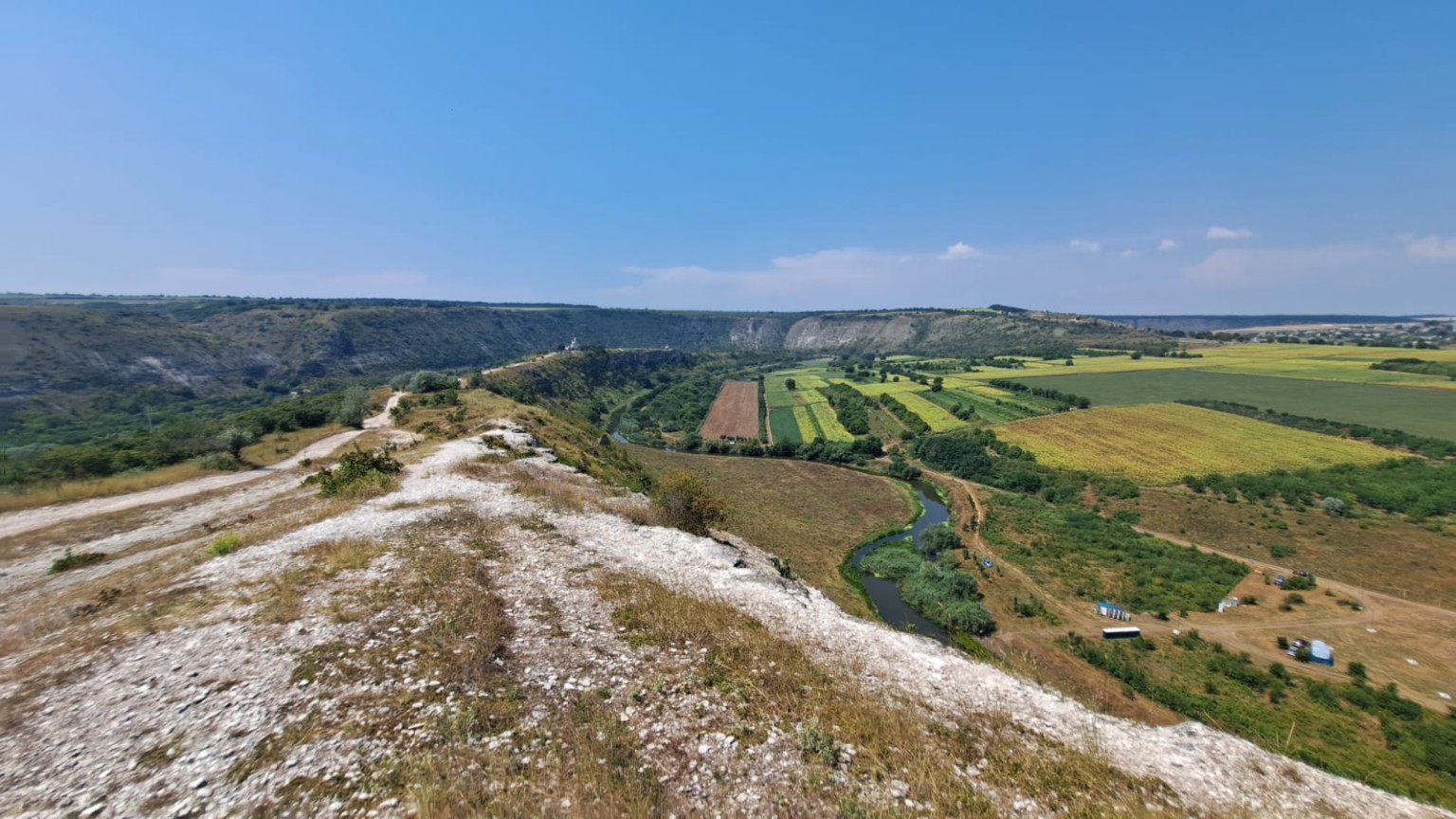
Moldova can offer lower everyday costs than some of its better-known European neighbours, particularly for neighbourhood food and ordinary services. That value can be meaningful if you want an exploratory trip with regional markets, wineries and cities beyond the obvious sightseeing circuits.
However, less frequent transport, language differences or a smaller pool of accommodation options can create other costs in time and flexibility. A low room rate may be less important than whether the destination is reachable on your dates. Budget for the complete travel day, not just its purchases.
How to judge price changes fairly after a currency switch
It is easy to confuse a change in displayed currency with the longer-term growth of tourism prices. Croatia and Bulgaria changed to the euro at different points, with different economies, wage levels and visitor patterns. The correct comparison uses actual pre- and post-changeover prices for similar services and controls for other cost changes.
For a traveller, the simplest reliable approach is to keep dated examples: a current published menu, hotel rate for a comparable season, transport ticket and one significant paid attraction. Official inflation statistics supply valuable context but are not a substitute for the prices of the exact trip you are buying.
Where good travel value is still easy to find
Good value remains available through ordinary city infrastructure: public transport, a bakery breakfast, regional rail, markets and straightforward restaurants. Budapest's transit, some Polish train journeys and neighbourhood food in many Balkan towns are examples of spending that can make a trip feel generous even when its most famous attraction is expensive.
The best savings usually come from choices you can actually enjoy: staying one tram stop farther out, travelling outside a peak festival weekend, choosing a smaller regional city or replacing a costly packaged excursion with a good local museum and public transport. If a special spa, live show or beach day matters to you, paying for it may still be worthwhile. Budgeting is a way to make those decisions deliberately.
What makes the region worth travelling through
The strongest reasons to travel are the places themselves. Budapest has remarkable buildings, baths and neighbourhoods; Sofia offers layers of history and contrasting evening scenes; Croatia brings coastal towns and islands; Poland has cities and landscapes that reward longer journeys. The Baltics and Moldova add different architecture, culture, food and regional history.
There is no single regional atmosphere or budget. A trip that matches your interests may include famous landmarks and lesser-visited districts, and both can be rewarding. Choose the destination whose actual experiences appeal to you, then use current prices to decide how to allocate your time and money.
A better way to compare European city breaks
Between 2012 and 2026, European travel options, incomes, air networks and tourism markets all changed. It is reasonable that a city becomes more expensive as its businesses and infrastructure develop. Travel journalism can recognise higher prices without demanding that a destination remain a bargain for foreign visitors.
A useful price guide names the specific city, neighbourhood, season and product. It celebrates experiences that justify the trip and explains when the budget stretches further. That makes planning more accurate and gives every destination room to be interesting for reasons beyond the price of beer.