
The field trip is prepared tightly enough to stay useful and left loose enough for the useful night to happen.
Where it is — and how to get there
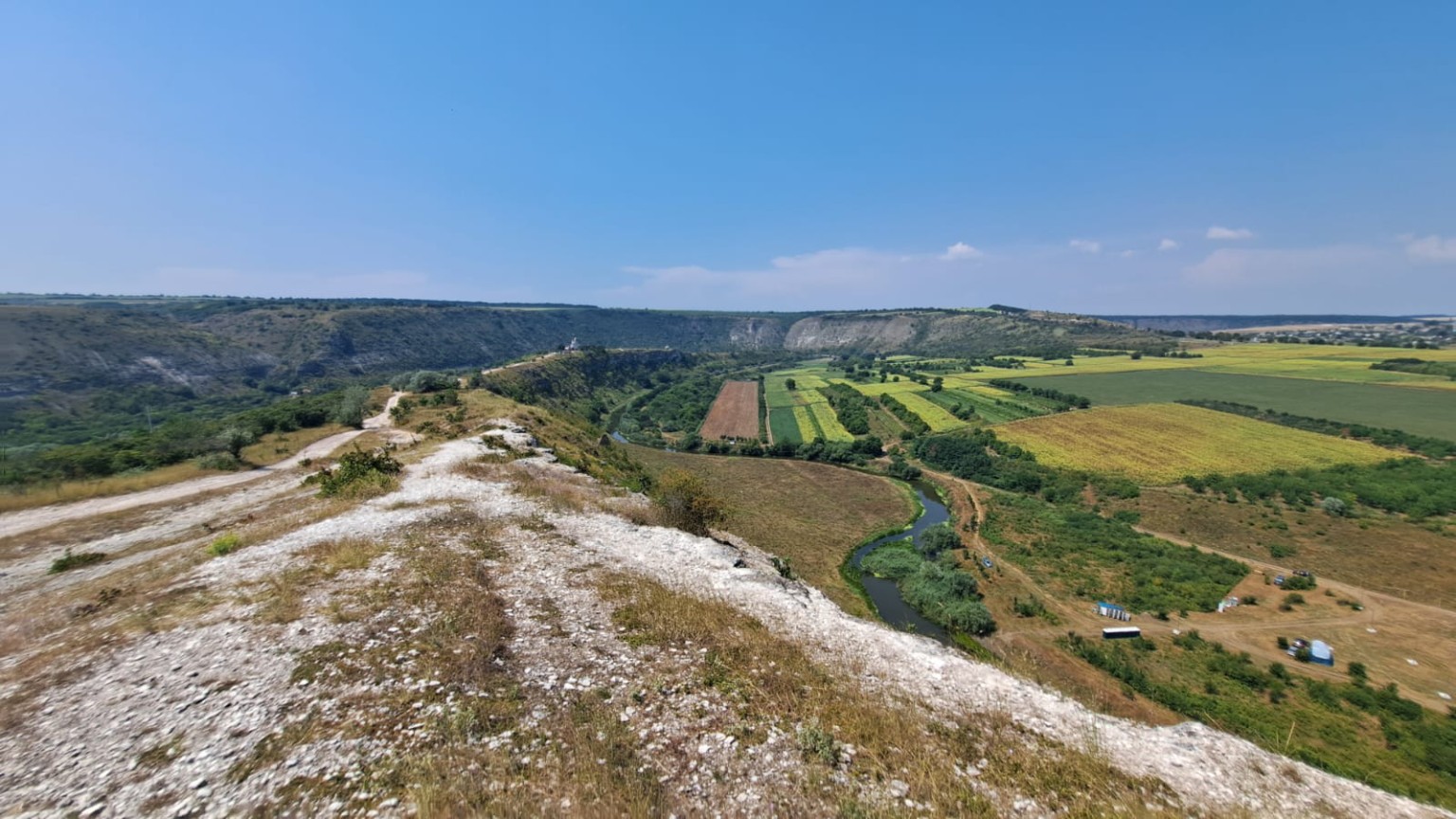
This field note follows a road journey through Moldova and into Romanian Moldavia, moving from places such as Soroca, Orhei and Chișinău towards Bacău. The two Moldovas share history and a name but sit on opposite sides of an international border.
The practical version starts with a flight or overland arrival into Chișinău, then a car for the multi-stop Moldova section and the crossing into Romania. Iași and Bacău are alternative Romanian gateways if the route is reversed. Border and road conditions belong in the plan before the anecdotes do.
The article rarely starts when I open the laptop.
It starts when a door that should be open is closed.
Or when a road I marked as a transfer turns out to contain the photograph I remember.
Or when somebody begins speaking Flemish in a small Moldovan city where I had assumed I would not hear another Belgian voice all evening.
A field trip is not a holiday with more notes.
It is also not a reporting performance in which every coffee has to become content. Most moments remain private, ordinary or simply not useful. The work is learning which details change the reader’s decision later—and which details are only interesting because they happened to me.
That distinction matters.
InstantTraveling’s destination and After Dark articles are not travel diaries. They have to work for somebody who was not in the car, did not meet the same person and may arrive in another season. Field Notes is where I can show the messier layer underneath them: how a route is prepared, where it breaks, what I notice, what I fail to verify and why one anecdote sometimes leads to a much larger piece of research.
Prepared enough to notice something else
The Moldova trip was not improvised.
Before leaving, I had the obvious practical work under control: passport, physical driving licence, offline maps, local mobile-data options, payment cards, power bank, water and a route that moved from Soroca through central Moldova to Chișinău.
The hotel nights were fixed.
The exact value of the road between them was not.
That is the balance I want. Too little preparation and the trip becomes administration: finding a SIM, solving parking, discovering too late that a border road has special rules. Too much preparation and every kilometre becomes a delivery schedule.
Moldova punishes both extremes.
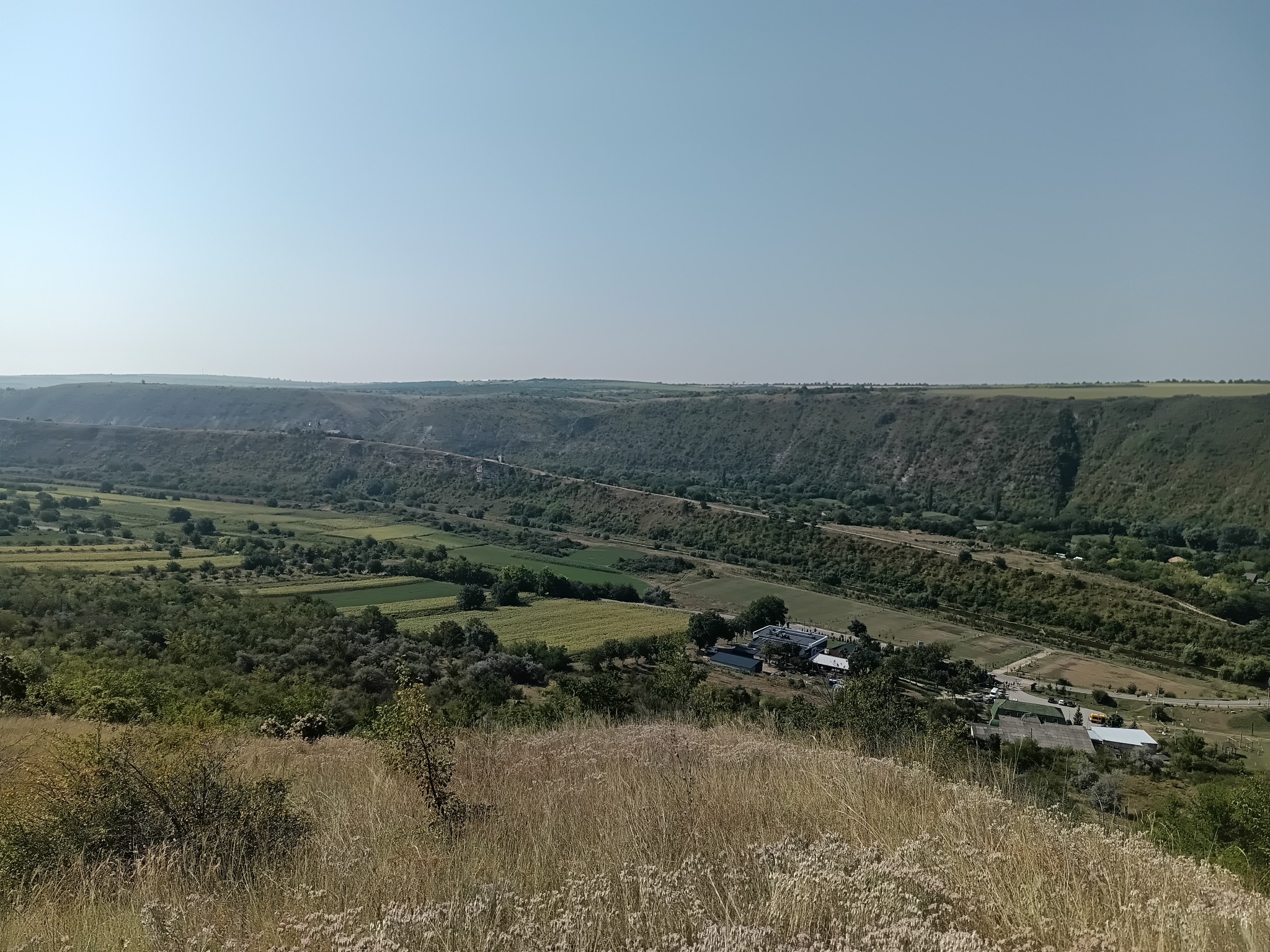
It is easy to build the country around a few names—Chișinău, Cricova, Orheiul Vechi, Soroca Fortress—and still miss why the journey feels different. The country is not empty between those points. It is full of small frictions and visual clues: an old car beside a tyre shop, a village bus, a Soviet-era façade carrying a newer commercial sign, a river that is also an international border.
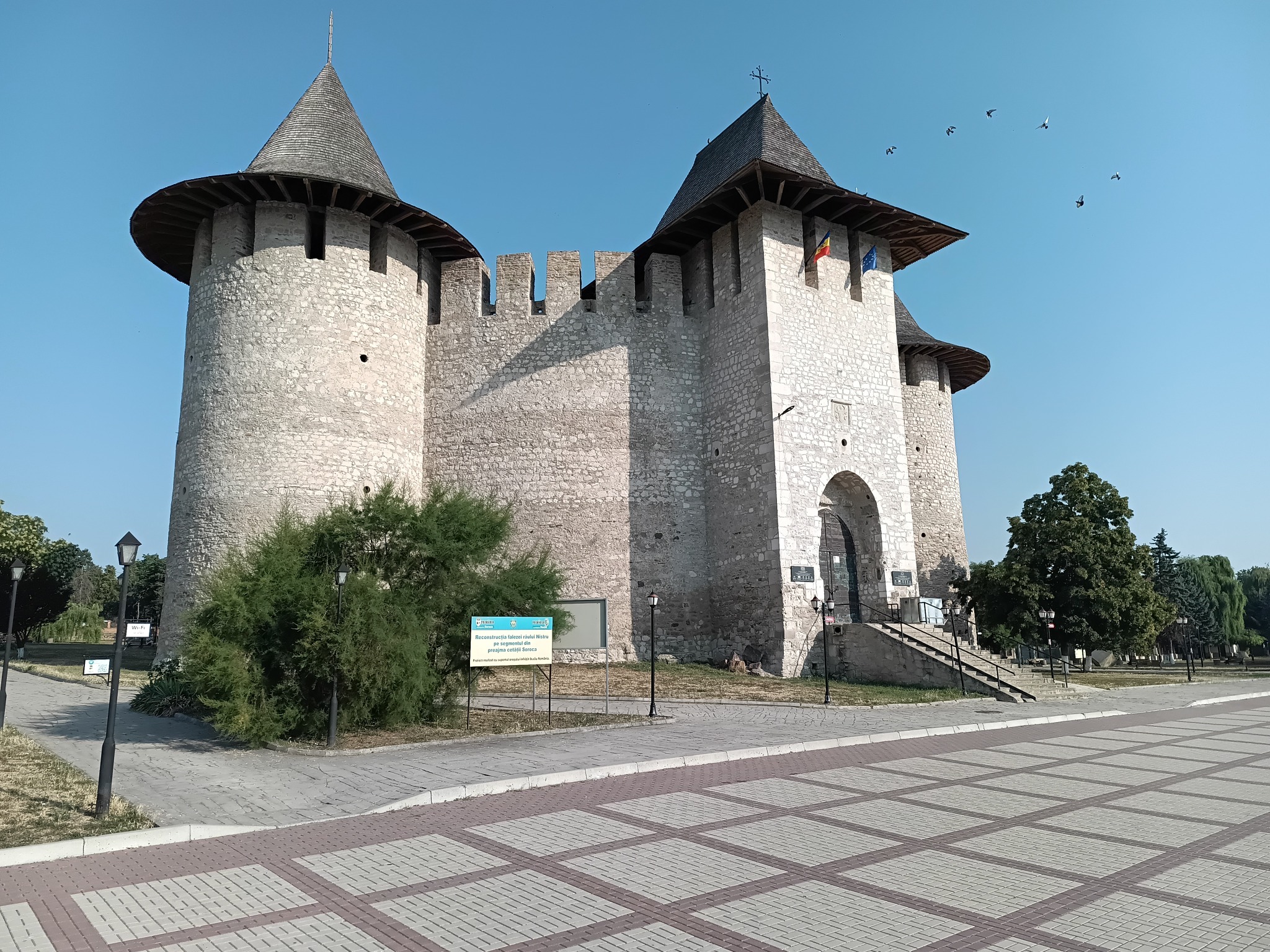
I knew I wanted the fortress.
I did not want the fortress to become the entire meaning of Soroca.
The unusual place is not always hidden
“Unusual” is an abused travel word.
Sometimes it means a place that is famous but has not yet reached a particular traveller’s feed. Sometimes it means entering a ruin somebody has fenced off for a good reason. Sometimes it is just tourism marketing with weeds in the foreground.
I am not interested in collecting danger as proof of authenticity.
A closed, guarded or unstable building remains closed, guarded or unstable. I do not need to trespass for InstantTraveling to look unpolished.
I am also not a trekker.
That is not an apology. I can admire a mountain without turning every article into a trail description. I can drive a comfortable car, sleep in a proper hotel, eat in a restaurant and still be paying attention to the parts of a place that polished tourism edits out.
I do not need to sleep in a tent to earn the right to photograph a tyre shop.
The space I keep looking for lies between the trailhead and the top-ten list. It includes working towns, edge districts, border infrastructure, strange monuments, provincial nightlife, industrial roads and ordinary places that become revealing when the obvious plan fails.
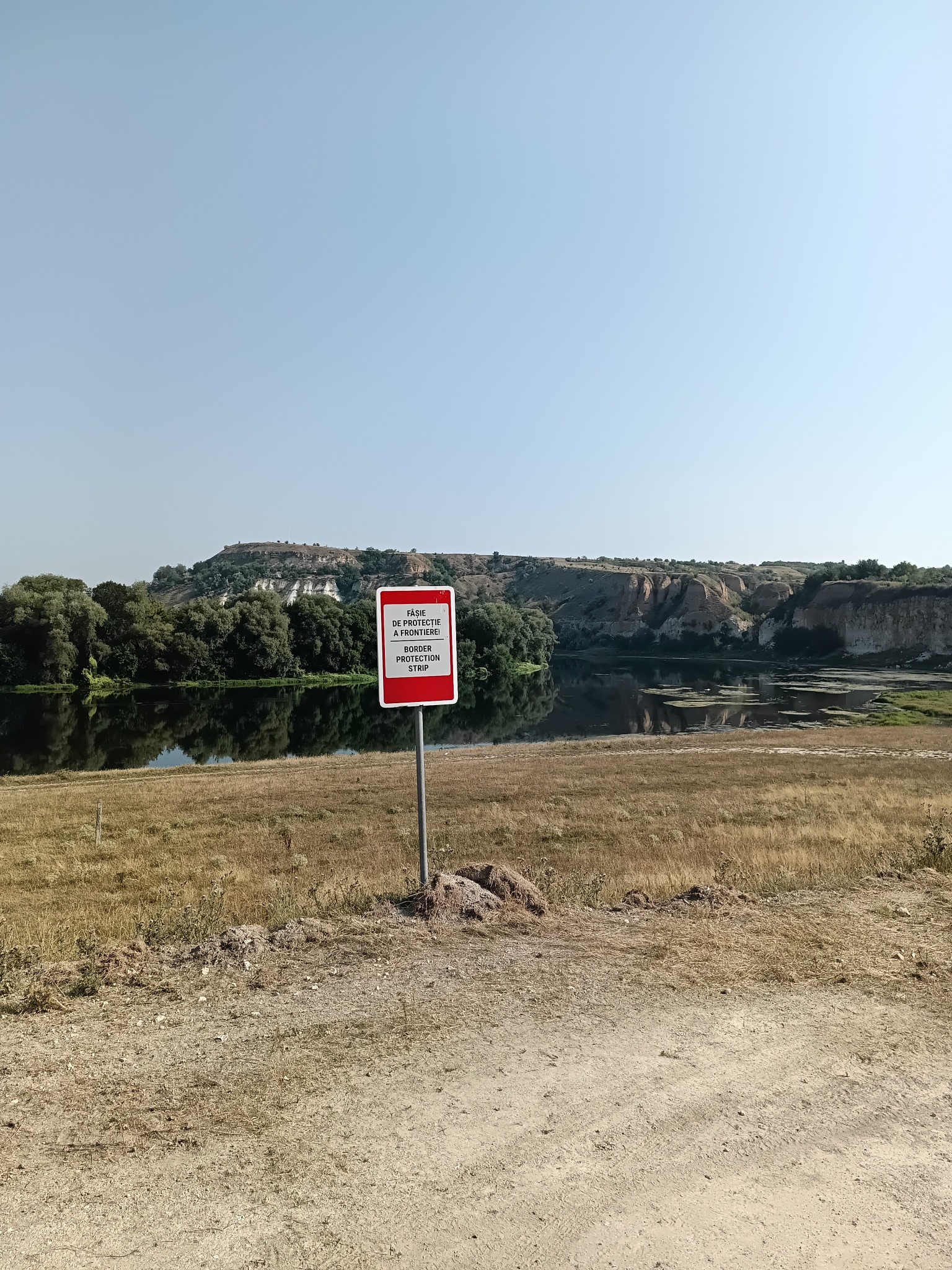
Near the Dniester, a sign marking the protected border strip did more than decorate a photograph.
It changed the reading of the landscape.
Ukraine was not an abstract colour on the other side of a travel map. It was physically present across the water, with rules attached.
That same discipline now matters even more in the dedicated Tiraspol & Transnistria in 2026 guide: border-like procedures, a separate currency and current security advice are treated as practical travel facts rather than as scenery.
Orhei, Borjomi and one statistically unlikely Fleming
Orhei was supposed to be a smaller evening.
That can be useful on a field trip. Not every night needs a headline club or a grand conclusion. Sitting still in a normal room tells me who actually uses it, when it fills, what people order and whether the city has a social evening after the daytime reason for visiting has disappeared.
At Proper Pub, the table accumulated beer, Borjomi, horse jerky and Borodino croutons.
The room gradually filled with local young people.
Then another Fleming appeared.
He looked more like the popular idea of an independent traveller: backpack, shorts, sandals, cap. I had arrived in a Range Rover Velar, sat down for food and mineral water, and was wearing a Kempen shirt printed with the wonderfully unhelpful word KZENNEKIKET.
We were from the same small part of Europe and travelling through Moldova in visibly different ways.
That did not prevent us from exploring nighttime Orhei together.
It made the conversation better.
Travel writing has a habit of turning style into morality. Backpack good, comfortable car suspect. Trekking authentic, hotel compromised. A rough room meaningful, a proper restaurant too easy.
Real travel is less obedient.
Two people can make different choices about transport, sleep, money and physical effort and still be curious about the same city. For a few hours, Orhei became common ground.
That night belongs in Field Notes because it explains how observation changes. Alone, I might have stayed longer at the table. Together, we moved. A city I had treated as a waypoint acquired a nocturnal layer.
It does not prove that Orhei has a major nightlife scene.
It proves that dismissing every smaller city after dinner is a good way to learn nothing about it.
The road keeps producing evidence
Some of the strongest Moldova material came from places that were not destinations at all.
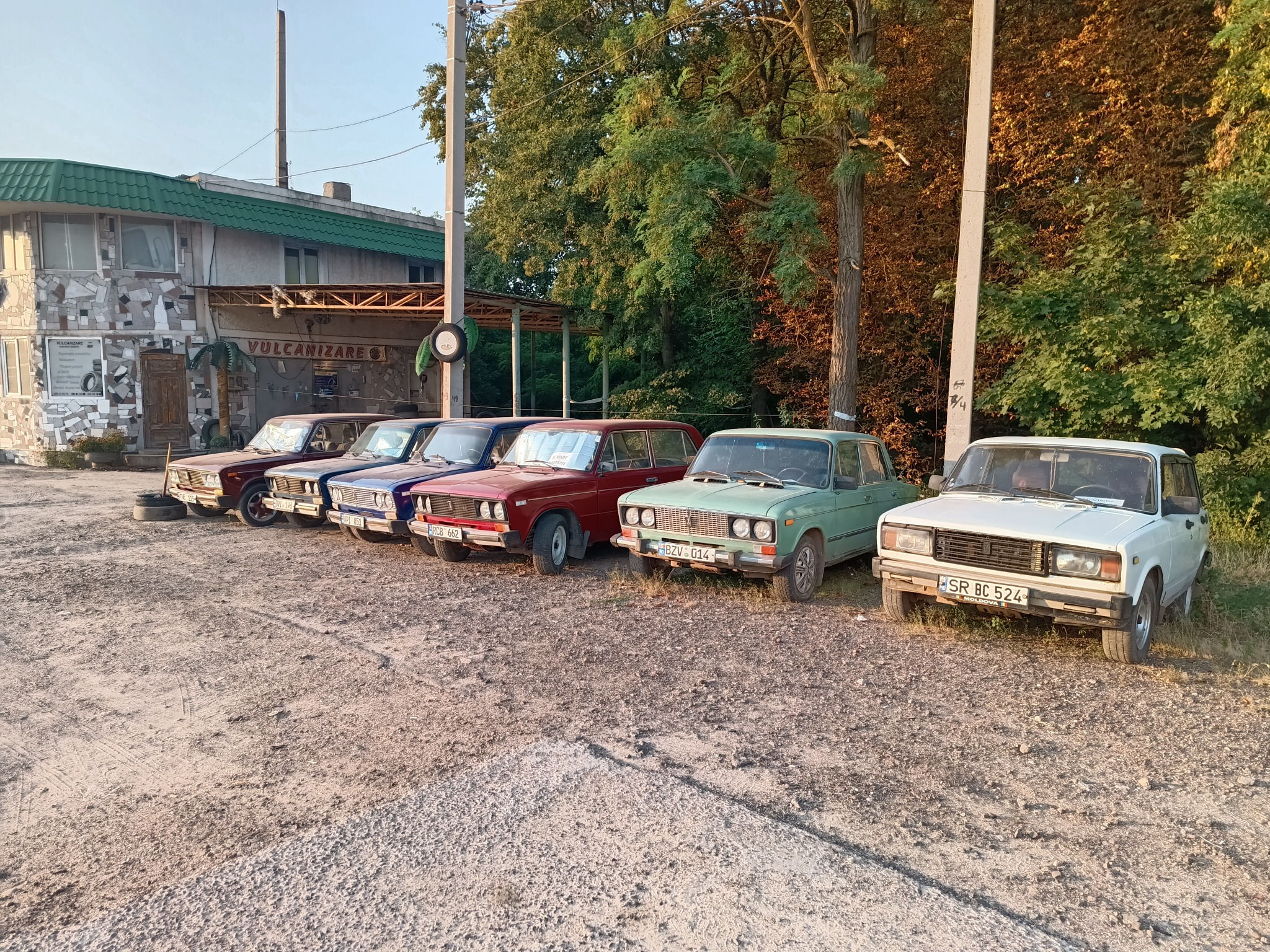
A row of old Ladas outside a vulcanizare.
A weathered building still carrying the name DACIA.
Fuel stops, road surfaces, village edges and the changing condition of cars.
These details are easy to romanticise, so I try not to. An old vehicle is not automatically charming to the person who depends on it. A faded façade is not more honest because it photographs well. Poor infrastructure is not an attraction.
But these things are evidence.
They show what the national averages and city-centre renovation photographs cannot: how movement works, what remains in daily use and where the visible layers of the Soviet and post-Soviet economy overlap.
I photograph the scene, record where it was and then ask whether it belongs in the final article.
Many images do not.
The best field material has to do more than look atmospheric. It must help explain the place or improve a practical choice.
Chișinău taught me to distrust the empty room
Nightlife research makes the problem even sharper.
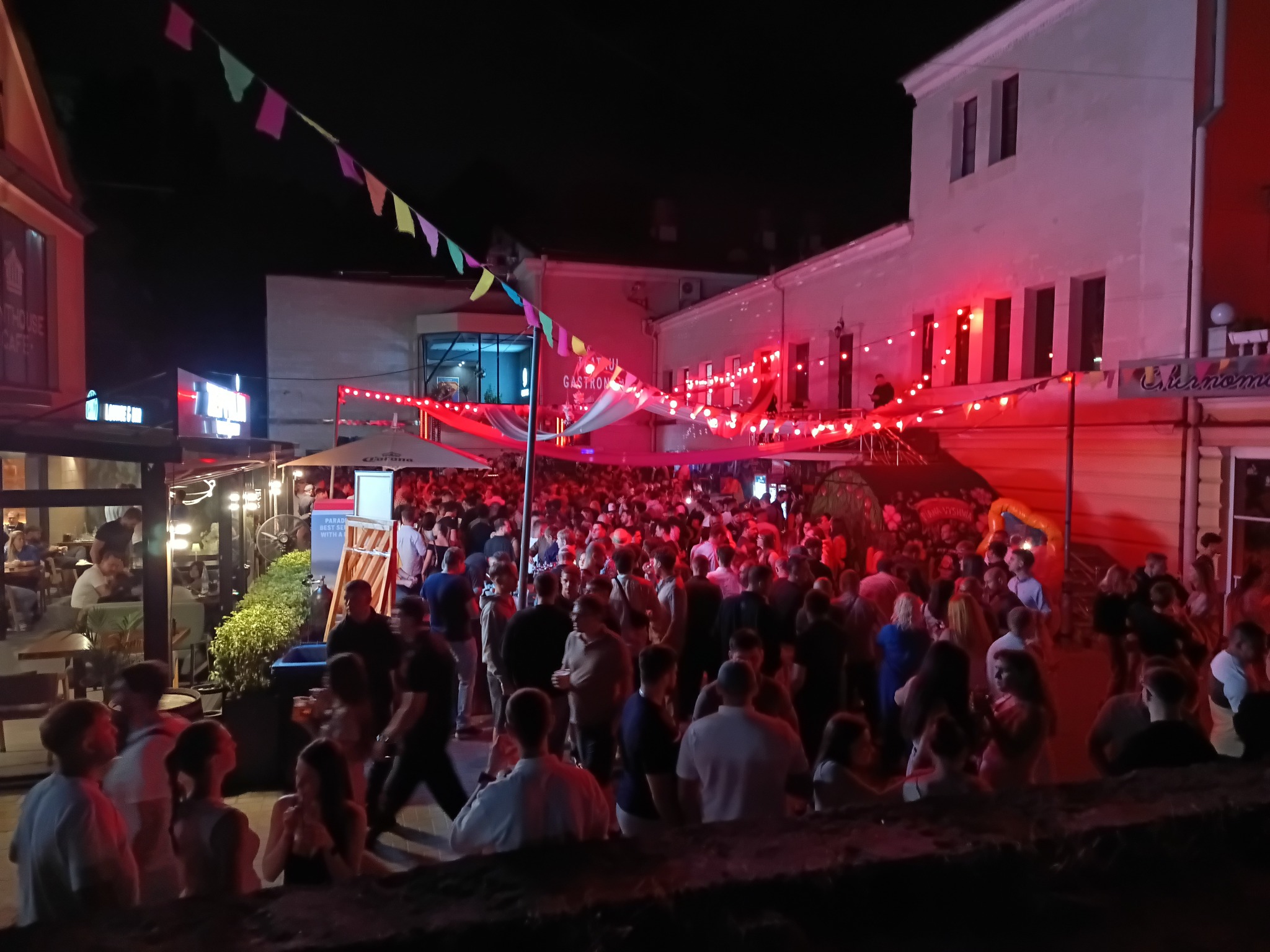
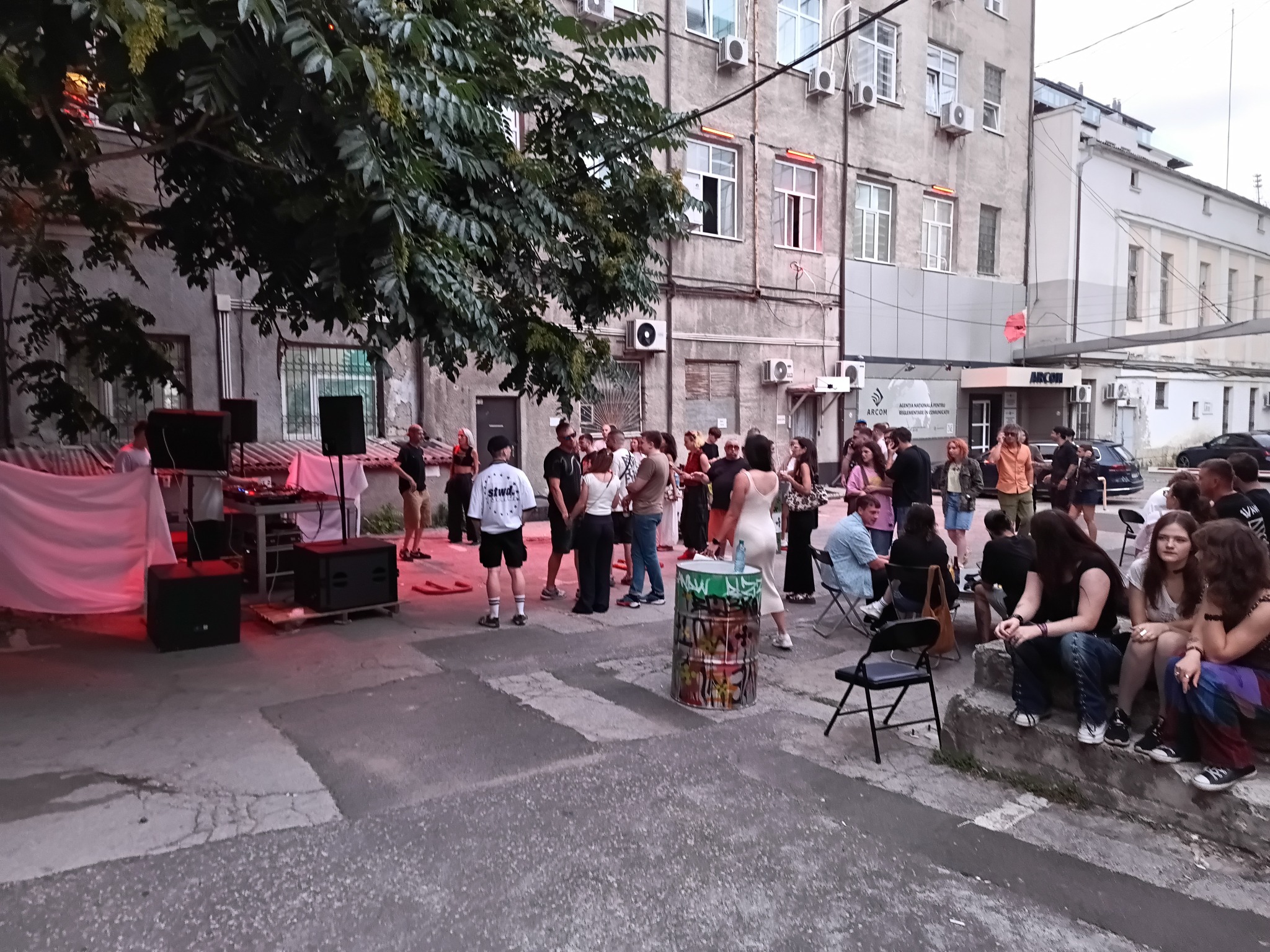
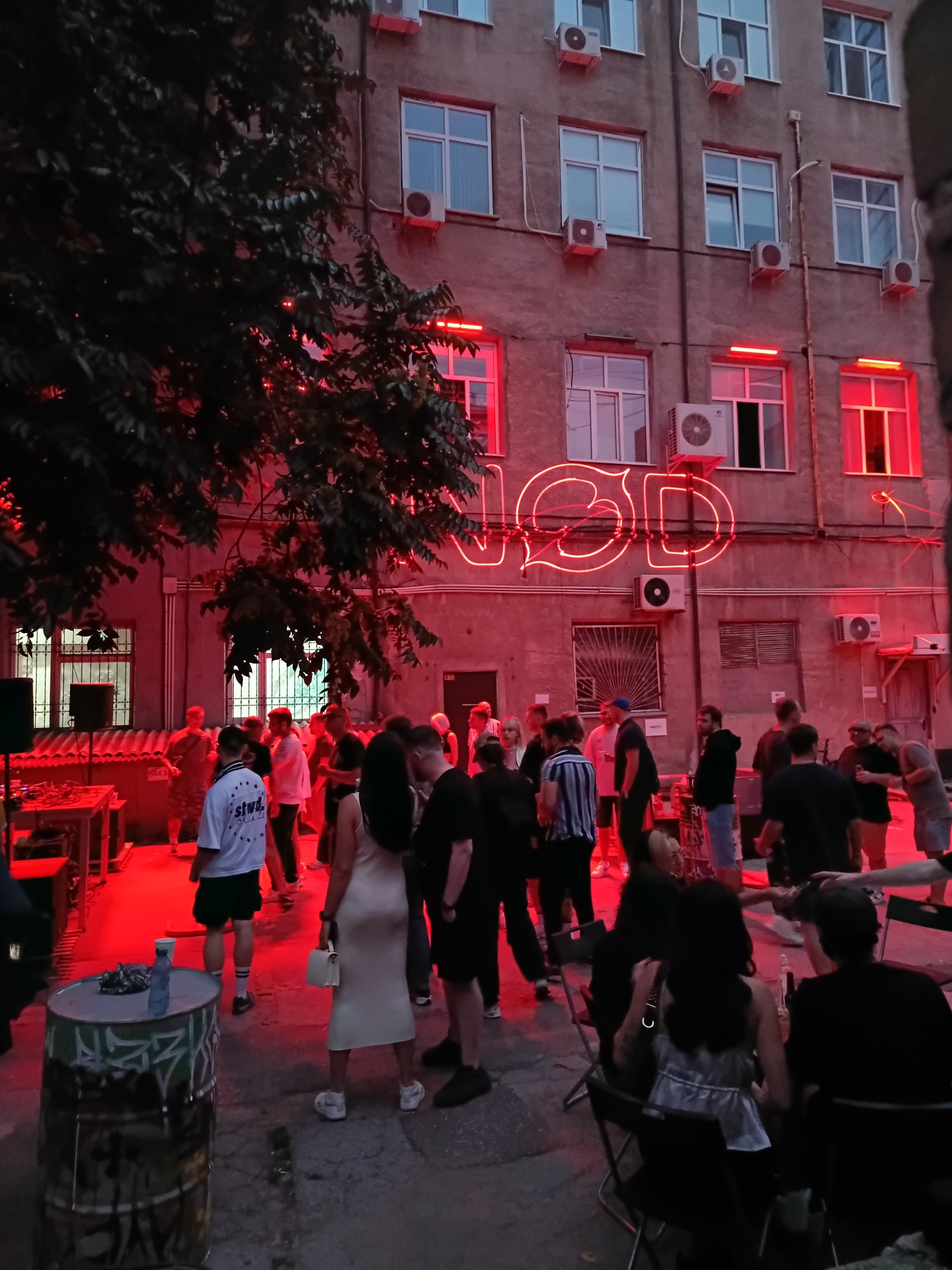
A room at 21:00 can look dead and become dense after midnight. A famous club can keep its name while the useful programme moves elsewhere. A courtyard can appear provisional in daylight and become one of the city’s strongest nights when the right promoter, crowd and sound system arrive.
That happened in Chișinău.
The value was not simply discovering one venue. It was seeing the transformation: the courtyard before the night, then the same space full and red-lit later.
That observation changed how the Chișinău After Dark guide had to work.
A static list of bars and clubs was not enough. The article needed to explain event-led rooms, changing door conditions, late transport, price differences and the gap between a venue’s permanent identity and the night that happens to be programmed.
Field evidence makes the question better.
It does not remove the need for research.
One busy Saturday cannot prove that a venue is always good. One empty Thursday cannot prove that it has failed. I can record the door time, ticket, drinks, crowd, music, transport and atmosphere. Then I have to compare that observation with current calendars, official information and other recent evidence.
Moldova created the question; Romanian Moldavia tested it
After Moldova, I wanted to know what the Romanian side looked like.
Not because the Republic of Moldova and Romanian Moldavia are interchangeable. They are not.
The question was precisely what changed across the border: roads, language, city scale, prices, nightlife, mountain access and the way similar historical references were carried in a different state.
The obvious Romanian answer would have been to stop with Iași.
Iași matters. It is the regional urban anchor and deserves the attention it gets.
But Bacău was more useful for this experiment because it is less eager to explain itself to visitors. It is a working regional city rather than an obvious city-break product. That makes preparation harder. English-language coverage thins out. Venue information becomes dependent on social pages, maps, local listings and reviews that may disagree with one another.
The trip therefore began with a question, not a claim.
Does a city like Bacău have a night worth understanding when the visitor infrastructure does not package it clearly?

A closed door can be more useful than a successful plan
Club Kremlin appeared to be the Bacău answer.
On the Saturday itself, it was closed.
A live-looking listing had not produced a live door.
That failure was useful because it exposed the exact problem an After Dark article should solve. Search results preserve names longer than cities preserve useful nights. Opening hours, event announcements and actual activity are different kinds of evidence.
The alternative came by cheap Bolt: LM Club in Luizi-Călugăra, outside Bacău.
Inside was a genuinely mixed crowd and Balkan music. The night was less polished and more revealing than the central lounge solution I had expected to use.
That does not make LM Club the permanent “best club in Bacău.”
It makes the night a field note.
The durable reader value lies in the decision chain:
- the advertised answer failed;
- ride-hailing made a peripheral alternative practical;
- the edge of the city-region mattered more than the centre;
- the crowd did not match a narrow tourist-nightlife stereotype;
- one observed Saturday remains one observed Saturday.
The full Romanian Moldavia guide can therefore use Bacău as evidence without becoming a reconstruction of my itinerary.

Fieldwork is controlled failure
A useful field trip has structure.
I know where I intend to sleep. I know the legal and safety boundaries. I carry enough connectivity and offline information to recover from a bad signal or a dead battery. I save current addresses, event pages and route alternatives.
Then I leave slack.
The slack is where the article usually appears.
It is the hour that allows a border road to become more than transit. The unplanned drink that becomes a nighttime walk through Orhei. The closed club that forces a ride outside Bacău. The moment when a courtyard in Chișinău stops looking empty.
I also record boring things because the boring things often become the most useful paragraph later:
- what a ride actually cost;
- whether a payment terminal worked;
- when the crowd arrived;
- which street stopped feeling active;
- whether the drive took longer than the map suggested;
- whether a place was closed, seasonal or simply quiet;
- what I observed directly and what still needed verification.
That last distinction is the discipline.
Anecdotes create questions.
They do not automatically create facts.
Where DriveBeyond enters the same road
InstantTraveling and DriveBeyond are different projects.
InstantTraveling turns field observations and research into editorial guides. DriveBeyond is developing organised multi-day road journeys for people who care about the road as much as the arrival.
The overlap is the route-first way of thinking.
A strong road leaves room for detours, breakdowns, wrong turns and stories nobody can schedule. It does not need to force a major attraction into every stage or pretend that the fastest line is always the most interesting one. That philosophy is explained more fully in DriveBeyond’s current route approach.
The link belongs here because it explains the method, not because every InstantTraveling reader needs to join an event.
Sometimes a 400-kilometre transfer is the correct day.
Sometimes ten kilometres through the edge of a provincial city produce more useful material than the famous stop.
The route has to earn its shape.
What finally reaches the article
Back home, the field trip becomes less romantic.
Notes are sorted.
Photographs are matched to places.
Current facts are checked again.
A venue that looked permanent may already have changed its programme. A border rule needs an official source. A personal impression needs to be labelled as one. A striking detail may have no reader value and gets removed.
The final guide should feel cleaner than the research process.
Not cleaner in the sense of hiding the friction.
Cleaner in the sense that the reader does not have to repeat all of it.
That is the point of the work.
The strange monument, the tyre shop, the pub table, the empty courtyard, the closed club and the late ride are not there to prove that I travelled correctly. They are there because, together, they make the next traveller’s decision more intelligent.
The article starts where the itinerary stops working.
The field note is the record of how I noticed.