
Bratislava is not dead after midnight. It is simply too small to keep every nightlife category busy every night.
Where you are
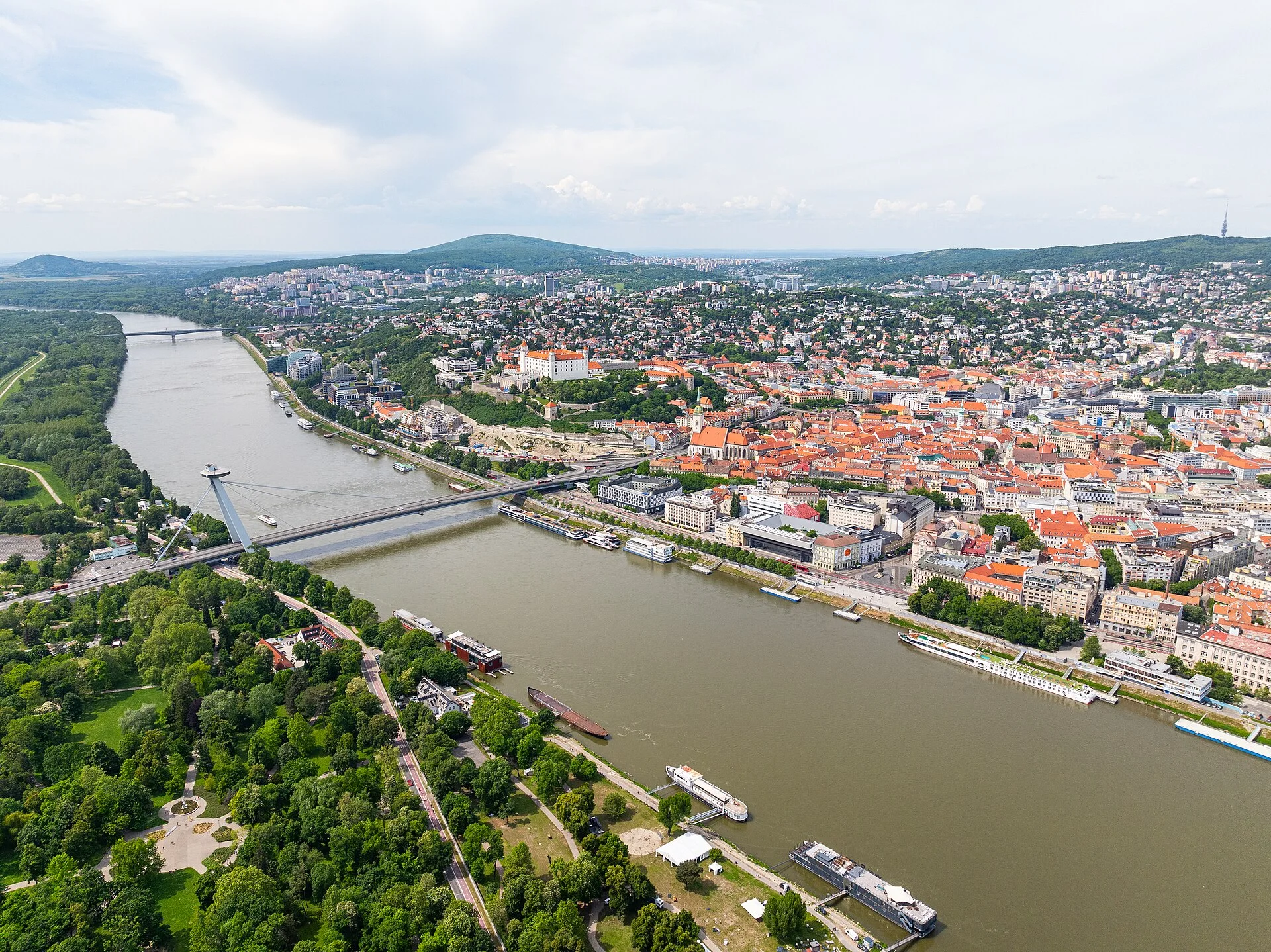
Bratislava is Slovakia's small Danube capital on the Austrian and Hungarian edges of the country, only about 60 km from Vienna. Use the full Bratislava guide for the rail/airport logic and the city before the bars take over.
Bratislava nightlife suffers from the same problem as Bratislava tourism.
The visible centre is so compact that people mistake visibility for completeness.
Obchodná, Ventúrska, Michalská, Hviezdoslavovo námestie and the Old Town bar cluster make it easy to start drinking without research. On a strong Friday or Saturday, that can be enough to make the city feel busier than its size suggests.
On a weak weekday, the same streets can make a visitor conclude Bratislava has no nightlife at all.
Both impressions are too simple.
The city does not have enough population to keep every club format permanently full. Instead, events concentrate people. A techno promoter, queer party, university night, concert or summer river programme can move the useful crowd somewhere a tourist bar map barely acknowledges.
That is the system.
Bratislava nightlife in 60 seconds
Use Old Town / Obchodná for the easy first drink, bar-hopping and the least logistical effort.
Use WAX2 and other programme-led electronic rooms when the event is the reason. Current 2026 listings show some nights around €10, but check the specific promoter.
Use river and temporary event spaces when the programme pulls people there; Sundeck, Subdeck, Pink Whale and other waterside/event venues appear in the current city nightlife directory.
Use queer event organisers, especially Tepláreň and Kácečko networks, rather than relying on an old permanent-gay-bar list.
Use neighbourhood pubs, beer bars and student places when the night is social rather than performative.
And accept this: a Tuesday can genuinely be quiet. Small capitals cannot manufacture Friday seven nights a week.
Obchodná is useful because you do not have to pretend it is sophisticated
Obchodná Street and the streets feeding the Old Town are the default social zone for many visitors, students and younger groups.
Cheap-ish drinks, pubs, fast food, karaoke, mainstream bars and a lot of movement sit close together.
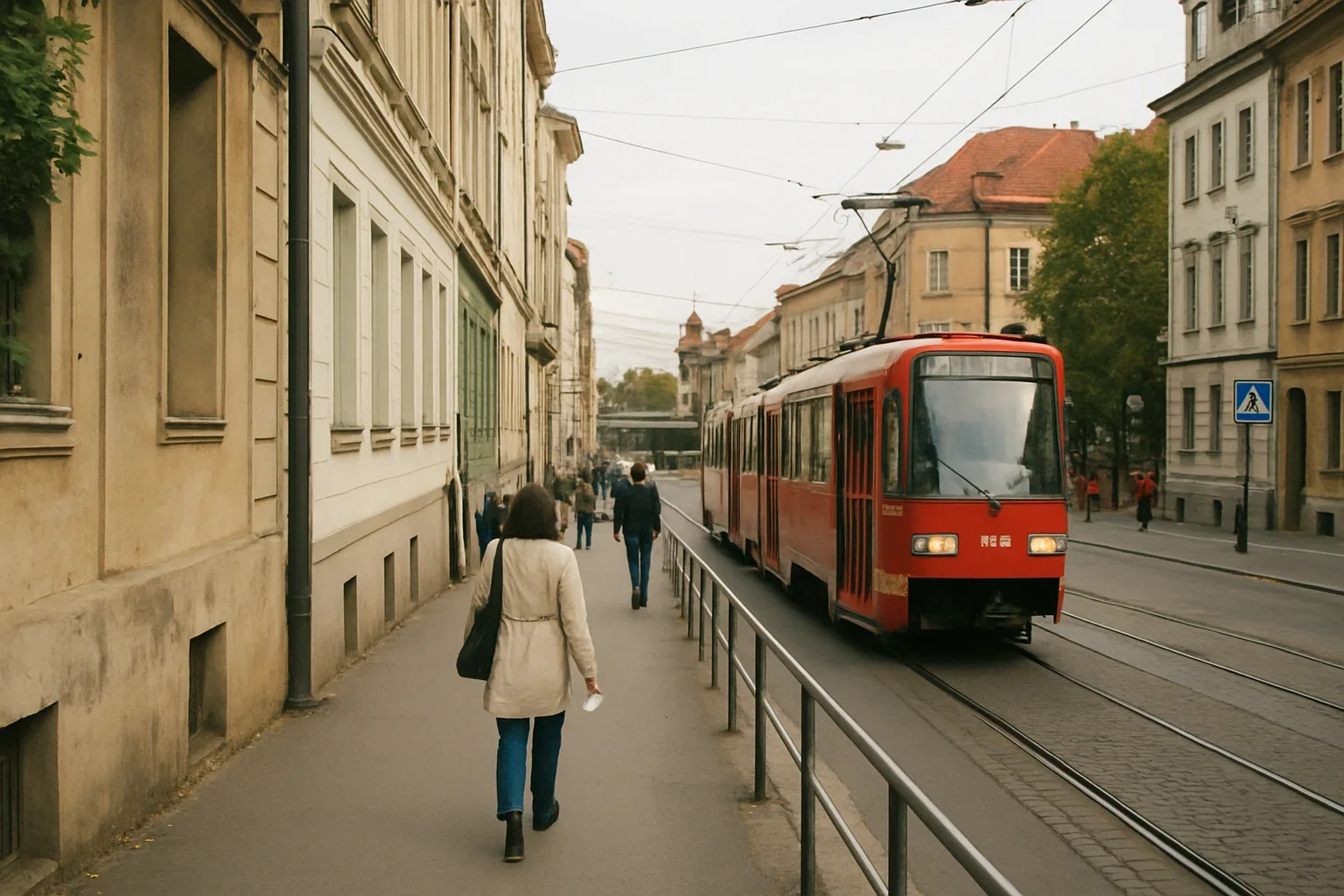
The area can be messy.
It can also be exactly right when nobody wants to research a promoter before the first beer.
Do not fall into the travel-writer reflex of declaring it 'touristy' and therefore invalid. Bratislavans use central nightlife too.
The better question is whether you still want the same product at 01:00.
If the answer is music, a queer event or a more specific crowd, move with purpose instead of wandering until a club bouncer makes the decision for you.
Old Town bars are not automatically late-night venues
A busy terrace at 22:30 can create false confidence about the rest of the night.
Bratislava has many bars where drinking is the event. People meet, talk, order again and go home. Not every full pub is feeding a dance floor later.
That matters for solo travellers.
A packed table-bar can look socially promising while being almost impossible to enter socially because every group arrived complete.
If you want interaction, choose standing bars, smoking areas, live events, student nights or places where the programme gives strangers a reason to share space.
The phrase 'where locals go' is useless if locals go there with six friends and no desire to adopt you.
WAX2: programme first, underground adjective second
WAX2 is one of the current names in Bratislava's electronic/nightlife ecosystem, with techno and club events appearing through 2026.
A current Visit Bratislava event listing for MOMENT at WAX2 in April 2026 advertised €10 entry, which is a useful reminder that electronic nights here can remain relatively affordable compared with larger Western capitals. Use current event listings rather than treating one price as permanent.
The important point is not the venue name.
It is programme dependence.
A club with no event you care about is just a room with speakers.
Check the DJ, promoter, start time and whether presale matters. Bratislava is too small to assume an internationally known genre label guarantees a dense crowd on a random date.
The river creates temporary nightlife geography
Bratislava's Danube is not only daytime promenade and skyline.
Current city nightlife listings include Sundeck, Subdeck and Pink Whale, among other venues and event spaces. Visit Bratislava's current nightlife directory is the useful starting map.

River venues are especially sensitive to season, weather and programme.
That makes them stronger when something is actually happening and weaker as permanent recommendations.
Do not build your night around a summer photograph in February.
Also solve the return before you arrive. A waterside venue can feel central on a map while requiring a very specific bridge, bus, tram or taxi plan after closing.
Queer Bratislava: the old guidebook pin is wrong
This is one area where stale nightlife articles are actively misleading.
The former Tepláreň bar closed at the end of 2023. Tepláreň did not disappear; it continued as a queer event, cabaret and party platform. The organisers explain that history directly.
That distinction matters.
In September 2026, a Tepláreň cabaret + party at Šafko lists a €19 cabaret ticket, while party-only entry after 22:00 is €8, 18+. Current event details.
Kácečko also hosts queer/community and ballroom programming. A September 2026 Kiki Ball lists €15 spectator / €10 participant entry and 18+ access. Current Kácečko programme.
The 2026 Pride afterparty used a network of venues rather than one permanent gay district.
That is the correct mental model: community + events + rotating rooms.
A queer visitor should follow organisers in the week of travel, not a five-year-old map.
Queer safety is part of Bratislava's nightlife story
Any discussion of Tepláreň in Slovakia carries context beyond clubbing.
The 2022 terrorist attack outside the former Tepláreň venue killed two LGBTQ+ people and deeply affected the community. That history is part of why current queer spaces and events can carry political and safety meaning alongside ordinary nightlife.
Do not turn that into tragedy tourism.
Do understand that a Pride party, cabaret or ballroom event can be both fun and community infrastructure.
For queer travellers, visibility in central Bratislava is generally manageable, but political climate and individual harassment risk should not be flattened into a generic 'safe city' label.
Use current local community sources.
Student Bratislava is larger than the Old Town Erasmus circuit
Comenius University, Slovak University of Technology and other institutions give Bratislava a large student population relative to its size.
That creates cheap nights, dorm-area socialising, Erasmus events, live music and themed parties that do not always map neatly onto one permanent district.
Students follow price and event more than architectural charm.
This is where the nightlife economy can shift fast: a room that is mediocre in July can be overflowing in October.
If you want a student night, check term dates and current events.
Do not use 'student city' as a synonym for guaranteed interaction. Groups remain groups.
Slovak pubs, beer rooms and one-table nights are still nightlife
The most normal Bratislava evening may involve no club at all.
Beer, wine, Slovak food, a pub table and one final drink can occupy the same four hours a visitor expected to divide across five venues.
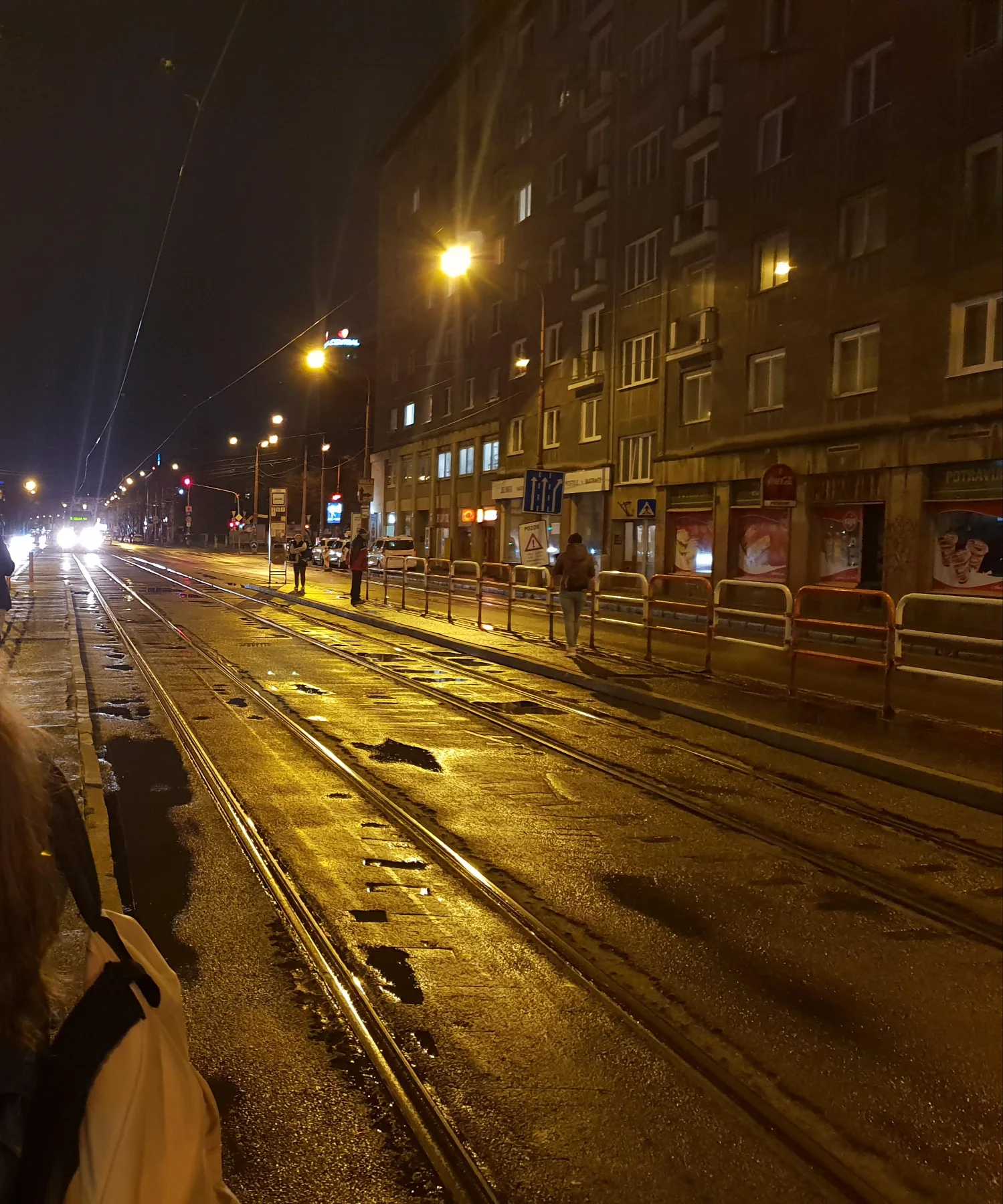
This is especially true outside the strong event nights.
Do not treat the lack of a 04:00 finish as evidence the local night failed.
Bratislava is not Belgrade scaled down.
Its population, public-space rhythm and event density are different.
The useful question is whether you wanted nightlife or specifically clubbing.
Those are not synonyms.

Mainstream/commercial clubs: know the reservation logic
Bratislava also has glossy, mainstream and commercial rooms where dress, guest lists, tables and bottle spend matter more than at a student pub or electronic event.
The rules are familiar:
- ask whether entry is included with the reservation;
- ask the minimum spend;
- ask whether a bottle is compulsory;
- ask how many guests the table covers;
- clarify service/booking fees;
- confirm when the reservation is released if you arrive late.
A promoter saying 'we have a table' is not a price quote.
Do not agree to a commercial night until the transaction is legible.
Adult / erotic nightlife: small city, same payment discipline
Bratislava has strip/adult entertainment and hostess-style commercial nightlife like most regional capitals.
That category deserves neither moral panic nor euphemism.
If a venue publicly offers private dances, hostess drinks or premium entertainment, ask the price before accepting. Clarify cover, minimums, time units and card charges.
Do not infer sexual services from erotic entertainment.
Do not follow a tout into an unnamed venue because the first drink is supposedly free.
This guide does not direct readers to buy sexual services.
It does explain how not to let curiosity become an undefined bill.
Scams: the tourist-centre risk is ordinary, not cinematic
Bratislava is not known for a huge clip-joint ecosystem.
Most nightlife problems are more mundane:
overpriced tourist-centre drinks;
unofficial taxi offers;
card amounts accepted without checking;
street promoters describing a venue more generously than the bill does;
ticket resale fraud;
phones and wallets lost while moving between crowded bars.
The city's small size can create a false sense that everything central is automatically harmless.
Stay relaxed, not careless.
What does a Bratislava night cost?
The city can still be inexpensive relative to Vienna, but that comparison has become a lazy reflex.
Use categories instead.
A pub night can remain low-to-moderate.
A current electronic event can be around €10 on some nights.
A queer cabaret/party in September 2026 is €19 / €8 party-only in one current listing.
A commercial table can cost far more than several nights of ordinary bars.
The city is not expensive because one cocktail costs €10 and not cheap because one beer costs €3.
The night you choose determines the budget.
Late food: centre first, then transport nodes
Central Bratislava is good for kebab, pizza, burgers, fast food and late snack options around major nightlife streets.
Availability thins quickly once you move into quieter residential areas.
Do not assume a river venue or peripheral event has the same 03:30 food density as Obchodná.
Eat before the final leg if the route home leaves the centre.
The useful late meal is logistical, not ceremonial.
Night transport: smaller city does not mean walk home from anywhere
Bratislava's public transport continues after ordinary daytime service through night buses. The airport itself uses N61 at night, and the wider network has night routes linking the centre and residential districts.
Current fares and route details changed in 2026, so use the official DPB planner or current timetable on the night rather than a saved blog screenshot. Current DPB tariff and travel information.
The city centre is walkable.
Petržalka, river venues and peripheral clubs are not automatically sensible walks at 04:00.
Use a legitimate taxi/app ride when the transport network no longer matches the night.
Solo women and solo travellers
Bratislava is manageable alone because distances are short and the centre remains active on strong nights.
The usual nightlife variables still apply.
Keep control of drinks and payment.
Know the exact venue if a promoter relocates the party.
Use your own ride rather than a stranger's private transport.
If a small room empties abruptly, understand that the social safety of a crowd can disappear faster here than in a megacity.
For solo men, the most common mistake is different: interpreting commercial attention as spontaneous friendliness before the prices are clear.
Different risk, same solution — keep the transaction visible.
Can a foreigner actually join the local night?
Sometimes easily, sometimes not at all.
English is widely usable in central/student nightlife. Younger crowds are accustomed to international students and visitors.
But Slovak social groups do not exist to demonstrate hospitality.
The best environments are event-led: techno, live music, queer nights, karaoke, festivals, student events, smoking areas and bars where standing/movement is normal.
The worst are tightly seated tables where everybody arrived together.
Do not seek 'locals'.
Seek a shared reason to be in the room.
Three Bratislava nights
The easy centre night: Old Town dinner → Obchodná/central pubs → late food → walk home. No research, no shame.
The programme night: early central drink → WAX2 / river venue / concert / specific promoter → night bus or verified ride.
The queer night: check Tepláreň/Kácečko/current organisers → go to the actual host venue → treat the community event as the destination, not an afterthought to a bar crawl.
Final answer
Bratislava after dark is not impressive because it mimics a larger capital.
It works because different crowds can temporarily make a small city feel much bigger.
A strong event night concentrates students, queer communities or electronic-music crowds into one room.
A weak weekday exposes the small population immediately.
The unpolished version includes both.
Check what is actually happening.
Then decide whether you want the easy centre, the specific event or a table that never intended to become a club night.