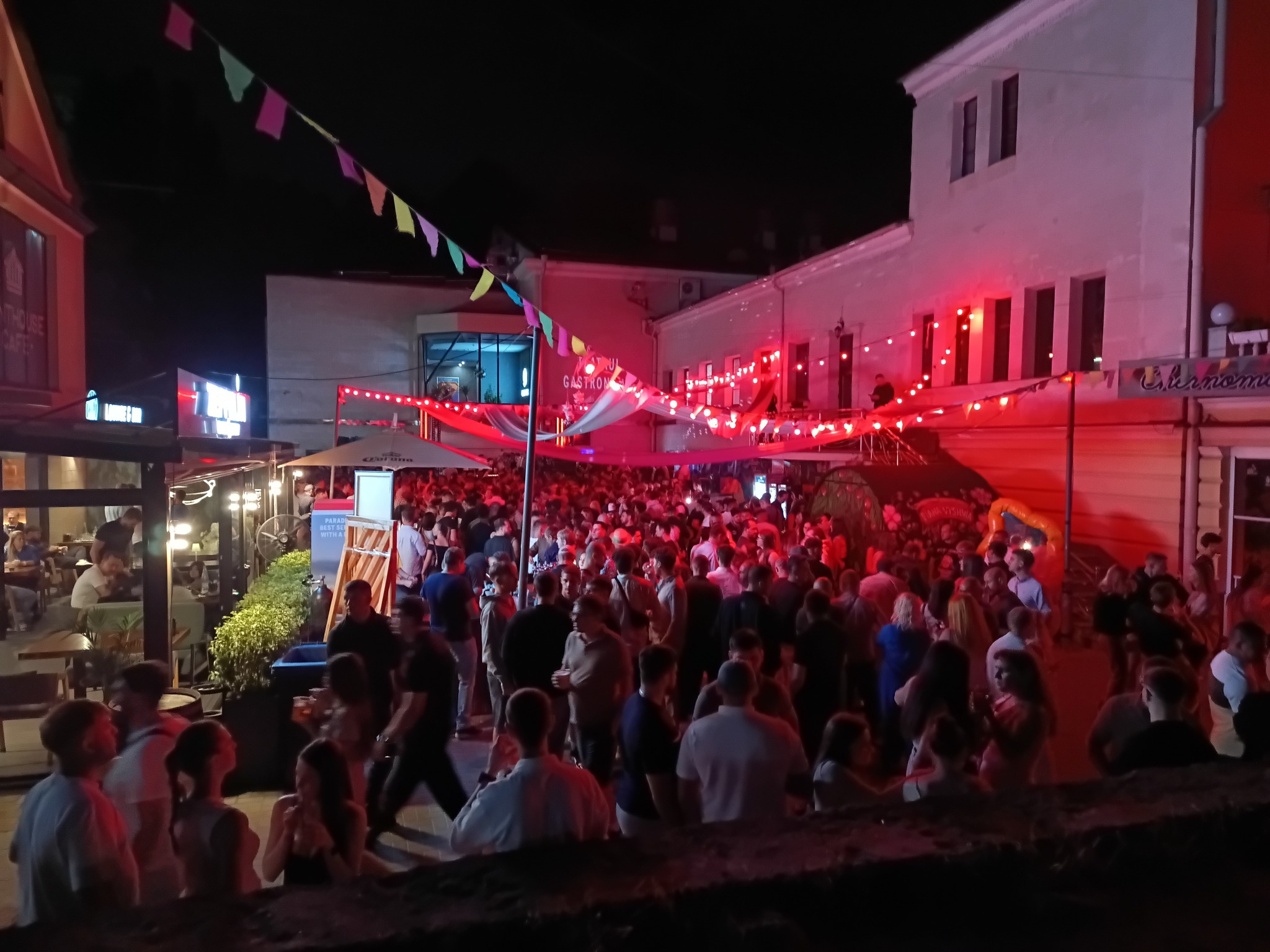
Choose the city for its particular music scene and the dates of its best events; the nightlife experiences differ far more than a regional ranking suggests.
Central and Southeastern Europe offer a remarkable variety of nights out. Budapest has ruin bars and specialist clubs, Kraków has a compact bar scene, Sofia has mainstream, electronic and chalga programmes, and the Baltics bring their own mix of cocktails and music venues. Regional festivals and smaller cities can be equally memorable when the right event is taking place.
The price of a beer is only one part of choosing where to go. A traveller interested in techno, a lively pub crawl, live rock, a seaside party or a more relaxed wine-bar evening needs different information. Venue calendars, music style, cover charges, late transport and where to stay make a bigger difference than an inherited reputation for cheap nights.
Here 'Eastern Europe' is a broad search phrase that includes several culturally distinct parts of Europe. The useful comparison is between specific cities and experiences rather than pretending they belong to one nightlife scene.
Nightlife budgets in a changing region
Budapest, Kraków, Sofia and the Baltic capitals still offer lively nights, but each has its own mix of everyday prices and tourist-facing businesses. A central cocktail bar may price itself for international visitors while a neighbourhood pub remains affordable. Entrance fees, festivals and late taxi journeys can easily become more significant than the first drink.
Bulgaria adopted the euro on 1 January 2026, replacing the lev at the fixed conversion €1 = 1.95583 BGN. That simplifies price comparison but does not by itself tell you what a nightclub charges. Check a current venue menu, ticket page and full hotel cost for your dates. The best value is a night with music and atmosphere you actually enjoy.
Budapest: ruin bars, big crowds and specialist music
Budapest After Dark describes one of Europe's most accessible nightlife cities. District VII brings bars and visitor crowds close together, and established ruin-bar spaces make a first evening easy to organise.

There is also a more varied electronic, live-music and neighbourhood scene beyond the most photographed courtyards. A ticketed specialist night may be worth travelling across town for, while somebody interested in social bars can have a good weekend without leaving the compact centre. Compare the venue's real programme, entrance price and return route before deciding.
Kraków: a compact pub and cellar-bar weekend
Kraków After Dark is useful for visitors who want several bars within a short walk. Old Town and Kazimierz offer a mix of pubs, cellar bars, cocktails and live music, making it easy to move between venues when one room does not suit the mood.

That convenience attracts plenty of other visitors and organised pub crawls. For a first night, it can be a genuine advantage; for a quieter evening, choose a specific venue away from the busiest tourist route. Current drink prices and door conditions matter more than claims that the city's bars have remained as inexpensive as they were a decade ago.
Sofia: several distinct ways to spend the night
Sofia After Dark covers scenes that can feel like different cities. The centre is convenient for bars and restaurants, Studentski Grad draws university-related nightlife, electronic promoters announce specialist events, and chalga or Bulgarian pop-folk venues have their own music, table culture and social expectations.

A casual cocktail evening and a bottle-service club night should be budgeted separately. Choose the genre, check the actual event and understand any reservation or minimum-spend rule before paying. Sofia rewards a deliberate choice, whether that is an easy central bar or a late set from a favourite DJ.
The Black Sea: Constanța and the resort scene
Constanța After Dark distinguishes the Romanian port city's bars and ordinary evening life from nearby Mamaia, where beach clubs, seasonal events and tourist accommodation can dominate the night. They are geographically close but often serve different expectations.
A summer club weekend may involve a table booking, entry, transport and a higher accommodation bill. For a more relaxed evening, the city offers places to eat and drink without building the entire trip around a resort's dance floor. Check event dates and seasonal closures carefully; the Black Sea coast changes considerably outside its peak weeks.
Riga and Tallinn: bar culture and specialist venues
Riga After Dark combines central bars with electronic programmes and neighbourhood options, while Tallinn After Dark offers a distinct mix of Telliskivi cultural spaces, city-centre bars and specialist nights. Both make excellent city breaks when you enjoy their architecture and daytime cultural life too.

Hotel and cocktail prices can approach those in other popular European capitals. A good night may be a concert, a thoughtful bar crawl or one venue whose sound system and lineup justify the ticket. Choose for those strengths rather than treating the Baltics as a discount version of another city's nightlife.
The event calendar often matters more than the venue name
An established club can be quiet on a weekday and unforgettable for one specific booking. A good promoter may also move between venues or run seasonal festivals, making a permanent address less informative than the event announcement.
Check the InstantTraveling events calendar and official organisers for dates, ticket availability, artists, venue address and end times. If you have a particular genre in mind, a confirmed performance is often the best reason to choose a city. For a spontaneous pub night, favour places with several alternatives within walking distance so that you can follow the atmosphere.
Chișinău: a smaller capital with particular evening choices
Chișinău After Dark explores a city whose nightlife is less visible in international travel guides than Budapest's or Kraków's. Wine bars, small clubs, restaurants and promoter-led events can offer a satisfying evening, particularly when you know what is scheduled.

The smaller venue network means a major event may define the weekend more strongly than a general recommendation to 'go to the party district'. Check the programme, hotel position and late transport first. Chișinău is attractive for travellers interested in Moldova's city culture as a whole, with the nightlife as one part of the visit.
Minsk: nightlife information alongside serious travel restrictions
Minsk After Dark discusses electronic music, mainstream clubs, karaoke, live performances and other late-night businesses. Those venues may exist and have active programmes, but the presence of nightlife should never be mistaken for advice that international travel to Belarus is straightforward.
Belarus carries serious travel, detention and consular-access risks for many foreign nationals. Official government travel advisories and individual nationality restrictions must take priority over choosing a club or hotel. For many visitors, the sensible outcome is to enjoy similar music scenes elsewhere until the official situation changes.
Distinguishing adult venues from ordinary nightlife
In Budapest, Sofia, Minsk and on the Black Sea, general nightlife listings can group bars, music venues, table-service clubs and adult-entertainment businesses close together. The practical issue is making clear which kind of venue the traveller is looking at.
An adult club may have entry fees, minimum spend, different expectations around drinks and services, or unclear listing categories. Published conditions and visible pricing are especially important when choosing such a venue. An ordinary live-music club or cocktail bar should never be presented as though it sells the same experience.
Planning an enjoyable night when travelling alone
Many city-nightlife guides assume visitors arrive in large groups, but women travelling alone may value a different selection of venues. A staffed pub with counter seating, a ticketed concert, a club with clear rules and a straightforward journey back can make a lively night easier to enjoy independently.
Specific details help more than generic warnings: whether a venue welcomes solo guests, what time the last bus runs, how to reach a verified taxi, and whether door or table rules may change when you arrive alone. It is perfectly reasonable to want to stay out late, meet people or dance. A guide should make that possible through good information rather than prescribing a quiet evening as the only safe choice.
Choose the city by the evening you want
For a simple first bar weekend, Budapest or Kraków has the advantage of compact, established visitor infrastructure. For a particular electronic or live-music lineup, look at Sofia, Riga, Tallinn or a confirmed event in another city. A summer beach-club party points towards the Black Sea resort calendar; a smaller-capital wine-bar evening could make Chișinău rewarding.
The events calendar is a useful starting point for time-specific planning. Before booking, check the actual performers, ticket prices, hotel location and late route home, especially when moving between cities with very different transport and nightlife patterns.
Why the region remains an excellent nightlife destination
The great strength of these cities is their variety. Budapest's ruin-bar history, Sofia's different music scenes, Kraków's compact social centre, Baltic specialist venues and the Black Sea's summer parties all offer experiences worth travelling for.
A satisfying night begins with a realistic idea of the programme and price. Choose somewhere you are excited to visit during the day as well, and let a concert, friendly pub or club night add its own story to the trip. That is a better basis for choosing a destination than a promise that every drink will be cheap.