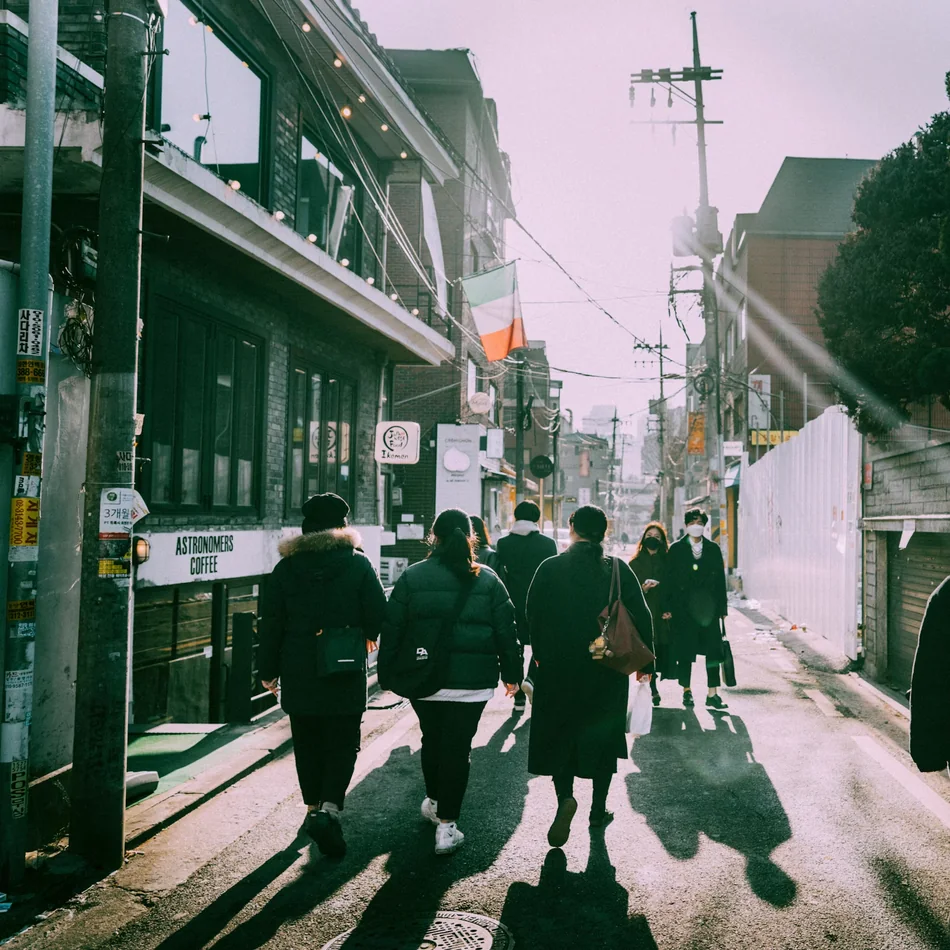
Kraków does not need help becoming photogenic. It needs enough time to become more than a background.
Where it is — and how to get there
Kraków is in southern Poland on the Vistula, the historic centre of Małopolska and one of the country's main rail cities. Warsaw lies far to the north, Katowice and Upper Silesia to the west, and the Carpathian foothills begin not far south of the city.
Kraków Airport at Balice lies west of the centre and has direct rail and bus connections into the city. Long-distance trains make Kraków straightforward from Warsaw, Wrocław, Katowice and other major Polish cities, and international rail also matters on some Central European routes. A car is more burden than help in the centre.
Kraków makes a strong first impression. The enormous Rynek Główny, St Mary's Basilica, the Cloth Hall and the route towards Wawel form a walk that justifies the city's popularity. Its cafés, restaurants and evening streets make it easy to linger after the sightseeing day has ended.
There is considerable variety beyond that historic centre. Kazimierz carries centuries of Jewish history alongside a lively contemporary social scene; Podgórze and Zabłocie reveal the wartime and industrial geography across the river; Nowa Huta offers an entirely different kind of city planning. Allowing three days for these contrasting places makes Kraków much richer than a tour of its best-known monuments.

Kraków in 60 seconds
- First visit: three full days gives the city room; two is a compressed minimum.
- Best first base: Old Town edge or northern Kazimierz, not necessarily directly on Rynek.
- Essential sequence: Main Square, Wawel, Kazimierz, Podgórze.
- Best expansion: Nowa Huta for a different urban argument.
- Most important distinction: Auschwitz-Birkenau is a memorial and museum visit, not a sightseeing add-on equivalent to a salt mine.
- Best evening companion: Kraków After Dark.
- Best national route: finish a north-to-south rail spine here in Poland in One Week.
- If choosing one Polish classic: use Kraków or Wrocław? rather than pretending the cities are interchangeable.

Rynek and the Old Town: Kraków's extraordinary centre
Rynek Główny is one of Europe's great public squares. The scale changes as you walk between St Mary's Basilica, the Cloth Hall, the Town Hall Tower and the surrounding streets. The cafés, carriages, performers and crowds are part of its present-day energy, even if they make the centre feel intensely visitor-oriented on busy weekends.
Come in the morning to appreciate the architecture, then consider returning after dark when the lighting and activity create a different experience. From the square, follow Grodzka south towards Wawel or take time in the Planty, the green ring following the old city walls. Side streets lead to churches, museums and quieter corners, making it easy to combine the famous route with an unplanned stop.
The official Main Market Square visitor page is useful for orientation. For church interiors or museums, check each venue's current admissions and opening hours rather than assuming everything around the square follows one schedule.
Wawel: royal history above the river
The buildings on Wawel Hill bring together royal, religious and national history. The cathedral, castle collections, courtyards and views over the Vistula are worth treating as several possible experiences rather than one admission ticket. Decide which interior collections interest you and reserve the relevant entry if needed; when time or budget is limited, walking the grounds and taking in the setting can still make for a memorable visit.
Allow room in the itinerary between Wawel and the next neighbourhood. Kazimierz is nearby, but its Jewish heritage and contemporary culture deserve attention on their own terms rather than functioning only as the next stop in a rushed route.

Kazimierz: Jewish heritage and contemporary neighbourhood life
Kazimierz is one of Kraków's most interesting places to spend both an afternoon and an evening. Around Szeroka Street, its synagogues, cemeteries and institutions speak to centuries of Jewish life, as well as to the devastation of the Holocaust. Check the visiting requirements and opening times of individual sites, and leave enough time to understand what each represents.
Around Plac Nowy and the surrounding streets, cafés, restaurants, galleries and bars give the district its contemporary energy. These are not mutually exclusive experiences: a thoughtful historical visit can sit alongside an enjoyable dinner without either being reduced to a theme for the other. Explore both the Jewish and Christian parts of the former town, then use the separate Kraków nightlife guide if you want to continue into the evening.

Podgórze and Zabłocie: across the river
Cross the Father Bernatek Footbridge from Kazimierz and the street pattern changes. Podgórze, once a separate town, contains important sites connected with Kraków under German occupation, including Ghetto Heroes Square, the Eagle Pharmacy and surviving fragments of the ghetto wall. A visit here benefits from giving the historical places time and reading their context rather than making a hurried photo route.
In neighbouring Zabłocie, the former enamel factory associated with Oskar Schindler now houses a museum exhibition mainly about Kraków under Nazi occupation. If you intend to visit, check the exhibition and available tickets and allow time afterwards for reflection. Former industrial buildings, apartments and cultural spaces share the broader district today, a contrast that becomes clearer when you explore on foot. The official Podgórze history page provides additional background.
Nowa Huta: a planned district beyond the Old Town
Nowa Huta was conceived as a socialist-realist industrial city beside the Lenin steelworks. Its monumental avenues, housing blocks, courtyards and civic spaces feel very different from medieval Kraków. A tram journey makes the change in scale immediately apparent, while a walk around the central avenues shows how this planned environment has evolved into an ordinary residential district.
For a guided visit, look for a programme that covers planning, labour, housing and the district's social and political history. The retro vehicles sometimes used on tours can be entertaining, but the buildings and residents' lived urban environment tell the deeper story. Nowa Huta makes an especially interesting addition when you have a third or fourth day.

The useful extra half-day: Podgórze as its own neighbourhood
Crossing from Kazimierz to Podgórze over the footbridge is easy; treating the other bank only as the route to a wartime museum wastes the crossing. Start around Rynek Podgórski, where St Joseph's neo-Gothic church fronts an actual neighbourhood square. Continue along Limanowskiego and the side streets rather than riding directly to the next museum entrance. This was a separate town before its incorporation into Kraków, and the street plan still changes the mood.
The Podgórze Museum, ul. Bolesława Limanowskiego 51, is a strong first stop when the history of the district is more useful than another Old Town interior. The Museum of Kraków lists regular admission at 22 PLN (roughly €5), with Thursday free admission and Monday–Tuesday closure at the time of this 2026 check. That is a manageable commitment, not a half-day ticket marathon. Visit first and the subsequent walk toward Plac Bohaterów Getta or the former industrial neighbourhood of Zabłocie acquires much more geographical meaning.
For a gentler finish, climb Krakus Mound from the Podgórze side when weather allows. The view turns the railway lines, old industrial parcels and high-rise districts into part of the composition. This is where Kraków feels like a city with a present tense instead of an endlessly restored medieval set. Wear footwear suited to an outdoor path and keep the mound for daylight if the ground is slippery.
Nowa Huta in 2026: a real district, not a closed museum
Nowa Huta rewards a tram ride because its planning is legible on foot. Begin at Plac Centralny, follow the broad avenues, and pay attention to courtyards, housing blocks, shops and the everyday way residents use a planned district. The interesting question is not merely whether socialist realism looks impressive, but how a formally conceived urban space has adapted to ordinary lives, churches, protests and commerce since its founding.
There is an important booking correction: the Nowa Huta Museum in the former Światowid cinema remains temporarily closed for renovation according to the Museum of Kraków's current branch page. Do not build a 2026 day around walking into that building. Museum programming continues elsewhere, and the institution's Nowa Huta Underground visitor information lists exhibitions at os. Szkolne 22; check the actual exhibition and opening calendar first.
Combine Nowa Huta with a walk, a milk-bar-style lunch if a current place is open, and an unhurried tram return. It works particularly well after a day of Old Town crowds. If you only have two days, keep the city centre and Podgórze. With four days, a full Nowa Huta morning is more rewarding than shoehorning three distant excursions into one timetable.
Food and evenings without a packaged folklore show
Kraków's restaurant geography is useful. Kazimierz works for a dispersed evening with wine bars, small rooms and later options; Stare Miasto offers spectacle and the highest concentration of visitors; Podgórze is better for a meal that is not automatically followed by a commercial pub crawl. For breakfast or lunch, choose a current market counter, bakery or simple bar mleczny based on what is actually open rather than a list of supposedly timeless local secrets.
A practical first evening is a walk from Plac Nowy through Kazimierz to the footbridge, then back by the river. It is enough to establish the relationship between the districts without overprogramming it. Polish beer, pierogi and the famous zapiekanka are available, but the rewarding part is mixing the obvious food with ordinary neighbourhood life. For a night out, pick a venue by the actual event or music programme: weekend nightlife and a quiet Tuesday are quite different products here.
Where to stay
Old Town edge
For a first visit, the edge of the Old Town balances access to the Main Square and Wawel with better chances of finding a quieter room than on the busiest nightlife streets. Check reviews for late-night noise and the exact entrance location.
Kazimierz
Kazimierz is convenient for restaurants, bars and walking access to Podgórze. Its northern and western sections work particularly well when you want to move between the historic centre and the river, though some streets remain lively late into the night.
Podgórze and Zabłocie
Podgórze or Zabłocie can suit travellers who prefer newer accommodation, riverside walks and a different evening atmosphere from the Main Square. Expect to cross the river on foot or use trams for some central sights.
Near the railway station
Hotels around Kraków Główny are practical for rail arrivals, departures and day trips. The surrounding commercial streets may be less atmospheric than Kazimierz, but the Old Town is close and the logistics are straightforward.

Choosing a day trip
Wieliczka Salt Mine
Wieliczka is an extraordinary industrial heritage site, with historic underground spaces reached on structured, ticketed routes. The visit includes stairs and walking below ground, so check the route and accessibility before booking. Treat it as a substantial half-day rather than an activity to squeeze between unrelated city stops.
Auschwitz-Birkenau Memorial and Museum
Auschwitz-Birkenau is a memorial and museum documenting mass murder and imprisonment. It requires time, concentration and respect for the site and its visiting rules. Book using official information, allow for the journey outside Kraków and avoid building an overpacked sightseeing day around the visit. Photography rules and conduct at memorial areas deserve particular attention.
Match the excursion to the time you have
These are different visits with different purposes. Wieliczka can be a compelling choice for industrial, architectural and underground heritage; Auschwitz-Birkenau offers essential historical testimony for visitors who want to engage with its evidence and remembrance. Both involve travel and should be considered separately. With only two or three days, spending all your time in Kraków itself is also a rewarding choice.
Two, three or four days
Two days: the classic centre and the other bank
Spend day one around the Main Square, Old Town and Wawel, with an evening in Kazimierz. On day two, explore the historical sites of Kazimierz before crossing to Podgórze and Zabłocie. This is a selective visit, with little realistic room for Nowa Huta or a major excursion.
Three days: a wider understanding of Kraków
Use the first day for Rynek and Wawel, and the second for Kazimierz, Podgórze and a carefully chosen museum. The third opens space for Nowa Huta and a neighbourhood afternoon, followed by an evening suited to the Kraków After Dark guide. The districts become more interesting when they each have a proper block of time.
Four days: one additional commitment
A fourth day can go to Wieliczka, a considered visit to Auschwitz-Birkenau, or simply more museums and streets within Kraków. If you are arriving from Warsaw on the one-week Poland route, another night here also helps the longer journey feel less rushed.

Visiting Kraków when the centre is busy
Kraków's popularity brings busy streets, short-term accommodation and a substantial visitor nightlife economy to the centre. Booking accommodation slightly away from the Main Square can improve sleep, and choosing restaurants in several neighbourhoods distributes your spending across more of the city.
Residential courtyards are worth treating as private spaces, especially at night. At synagogues, cemeteries and memorial sites, follow the local visiting guidance and avoid turning places of remembrance into casual photo backdrops. Trams and a little extra walking make it easy to explore beyond the most crowded central routes without missing the architecture that attracted you in the first place.

A trip that uses the city well
Give Kraków three days if possible. Rynek Główny and Wawel deserve their fame, and Kazimierz combines powerful history with a genuinely enjoyable bar and restaurant scene. Podgórze brings a different understanding of the occupation years; Nowa Huta moves the trip decisively beyond medieval architecture.
A fourth day can be used for Wieliczka or an appropriately considered visit to Auschwitz-Birkenau. Neither needs to be squeezed between ordinary sightseeing stops. If museums are your main interest, staying an extra night in the city may be more valuable than chasing another excursion.
Kraków's popularity is visible in its centre, but the city still offers a remarkable breadth of experiences. The best itinerary doesn't deny the popular places. It gives them proper time, then uses the rest of the city to understand what those places alone cannot show.