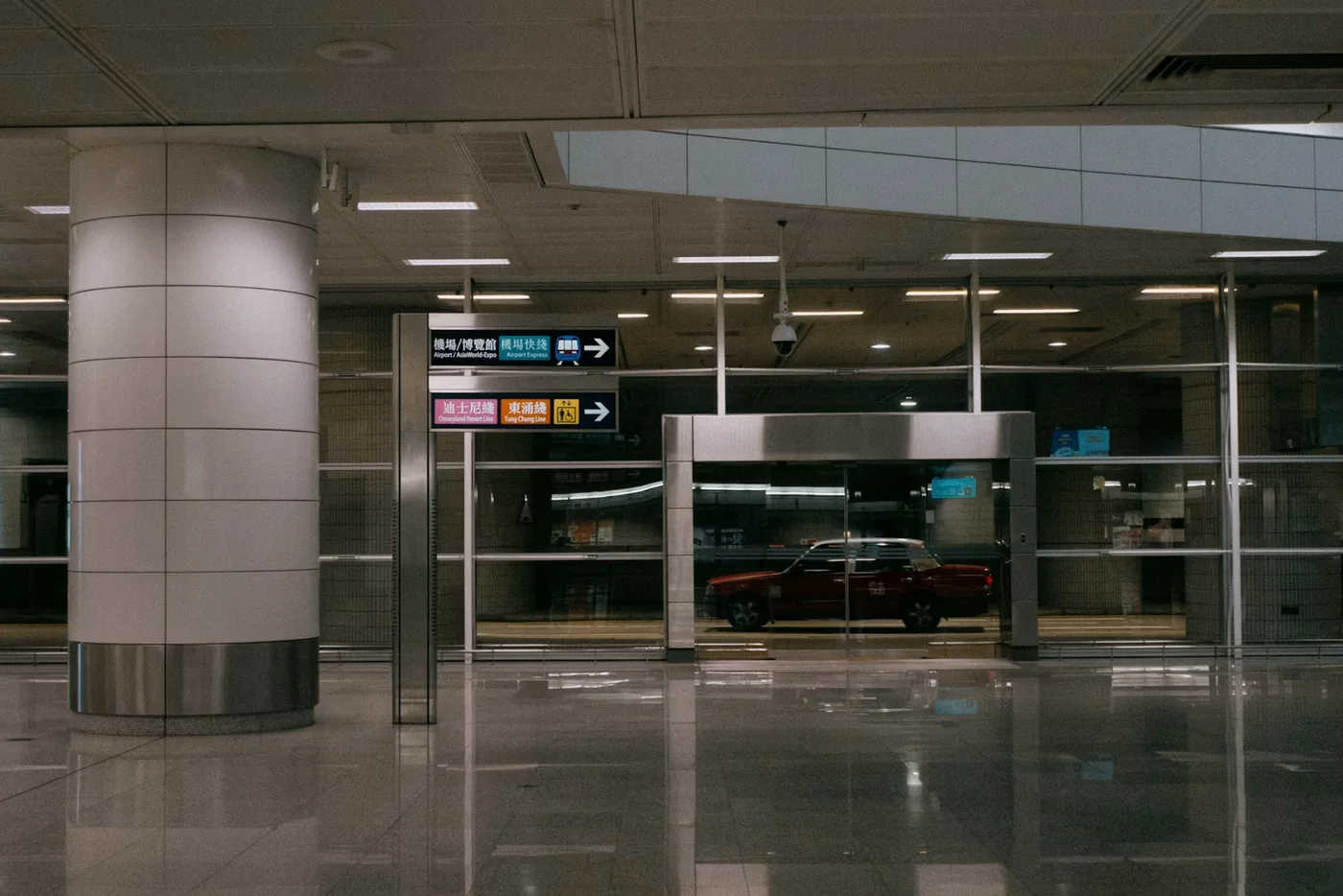
Several nightlife worlds compete for the same Medellín streets — and sometimes the same customer.
Where you are
Medellín's most visible visitor nightlife is concentrated in El Poblado around Provenza and Parque Lleras, while Laureles/La 70 offers a different, more mixed metropolitan night. For very late returns, allow for a booked ride.
The most unsettling parts of Medellín can be within sight of its most marketable landmarks. Plaza Botero offers monumental bronze sculptures, a grand cultural palace and the Museo de Antioquia. At the edges of that same visitor route are people trying to make a living in the street, visible sex work, homelessness, addiction and informal trade. In another part of the valley, Parque Lleras puts trendy restaurants, reggaetón, foreign spending power and a busy market in paid attention almost on top of one another.
Both places can produce the same reaction: what, exactly, am I looking at? The answer has a history. It involves changes to the city centre, money moving into tourism, the people pushed from one street to another, and criminal groups taking a cut of economies they did not create. The details matter more than a blanket description of Medellín as either glamorous or dangerous.
And then there is the rest of the night: a reggaetón basement where the music is the attraction, a noisy fonda full of familiar choruses, a salsa floor, a house set, a tango room and a group of friends eating together until late. To understand Medellín after dark, you need the street economy and the dance floor in the same story.
Plaza Botero and La Veracruz: the street economy beside the sculptures
Plaza Botero is one of Medellín's signature public spaces: 23 monumental sculptures, the Museo de Antioquia, the extraordinary outline of the Palacio de la Cultura, tourists taking photographs and people crossing Centro on ordinary errands. Walk towards La Veracruz, Parque Berrío or the streets around the museum and the mix changes. Local reporting documents street-based sex work, people living outside, drug consumption, informal selling and workers whose livelihoods depend on that central pedestrian traffic. <span data-editorial="context"></span> The full picture is broader than whichever group first catches a visitor's eye.

There is a particular reason this scene can feel surprising. The plaza is presented as an enormous open-air art gallery, while the surrounding streets have been living with a dense informal economy for generations. Both descriptions are true at once. A person standing around, looking at passersby or speaking to strangers may be working, waiting for a friend, selling something, asking for help or simply occupying public space. An outsider cannot reliably identify someone's work or circumstances by appearance.
The history helps. Guayaquil, the former market-and-railway district of central Medellín, supported street commerce and sex work long before the modern tourist campaigns. Local urban-history reporting describes how redevelopment, including the creation of Parque de las Luces, pushed some sex workers into other parts of Centro. Subsequent crackdowns around Avenida de Greiff displaced visible drug consumption towards nearby streets rather than resolving dependence and homelessness. A December 2025 El Colombiano investigation traces those moves, while February 2026 reporting describes the concentration of street homelessness, recycling and drug consumption on Avenida de Greiff behind the Museo de Antioquia.
That economic geography has an organised-crime layer. In September 2025, prosecutors announced proceedings against 21 alleged members of the La Veracruz network over drug retailing and extortion of sex workers, street merchants and other businesses across La Veracruz, Plaza Botero, Parque Berrío and nearby streets. Investigators reported demanded payments of 10,000–100,000 Colombian pesos a week — roughly €3–€28 at the exchange reference used here — from people trying to work. Those were alleged extortion demands, not prices for legal street pitches and certainly not a description of every trader. Read the case reporting.
Even attempts to import Poblado's polished nightlife formula tell the story. A group of entrepreneurs tried to create a 'Callecita de Botero' with restaurants, cocktails and Provenza-style appeal beside the plaza in late 2023. By December 2025, El Colombiano reported the project had closed with losses exceeding 180 million pesos (about €51,000 at the reference rate used here). Thousands of pedestrians passing a landmark do not automatically translate into the spending habits of a wealthy nightlife district. The Centro audience, the social conditions and the business costs are different.
There is a political dimension as well. In 2023, city authorities fenced off Plaza Botero in a controversial security measure branded an abrazo, or embrace. The barriers were subsequently removed. The local account of the decision and its reversal captures a recurring argument: who is the plaza designed to welcome, who is treated as a problem to be moved, and where do people go when a public space is 'recovered'?
Plaza Botero offers an unusually direct encounter with a city's contradictions. The bronze figures remain glorious; everyday survival is happening in the same frame. A visit there also reveals why an After Dark article about Medellín has to extend beyond club addresses.
Provenza: being seen is part of the product
On the greener streets around Carrera 35, Provenza sells a dressed-up version of the evening. A table can become an occasion, a social display, a date, an audience and a reason to dress better than the weather requires.
The pleasure of dressing up and going out is entirely real. Medellín has a visible style culture, and the pleasure of going out looking good is part of its public life. But different venues make different promises. A rooftop can be about the view, a restaurant about staying at the table, a late bar about whoever happens to be there. Calling all three a nightlife scene doesn't tell you whether you will actually dance or meet anyone.

Follow the crowd downhill and towards Parque Lleras and the commercial pitch becomes less controlled. Provenza and Lleras may fit on one walking map; they do not always feel like the same evening.
Parque Lleras: the nightlife business and the business around it
From the outside, Parque Lleras can appear to be a familiar nightlife neighbourhood: bars, a central park, promoters drawing you towards doors, groups deciding where to eat and a steady stream of visitors. Look again and a second market becomes visible. People circulate to meet prospective customers. Paid companionship, street solicitation, sex workers, informal intermediaries and visitors looking for encounters share the streets with ordinary drinkers and couples on dates. Some of this is explicit commerce; some is social life. The overlap gives Lleras a strange, intensely charged atmosphere.
Who is selling what? A restaurant sells dinner; a club sells music, entry or a table; a promoter sells the next room; a landlord sells short stays near the action. Some people openly offer paid sexual services or introductions. Others are out for fun, attraction or company. A successful tourist zone concentrates attention and foreign money, then draws people who want to earn from both. The same crowd that makes Lleras commercially attractive also makes the street a place to sell many different things.

One 2025 El Colombiano street investigation described paid-sex propositions quoted in US dollars to passersby, with nearby short-stay hotels forming part of the surrounding economy. That is a reported example of how the market works, rather than a universal rate or proof that every conversation is a negotiation. The visible transactions also differ from the work and experiences of people who choose to date or go dancing with no commercial expectation.
Who controls the money? Official investigations have linked criminal organisations in parts of El Poblado to drug sales, coercive payments demanded from sex workers and other businesses, theft and sexual exploitation. A 2024 municipal emergency decree explicitly referred to criminal groups demanding money from people engaged in prostitution. That coercion sits alongside independent adult sex work and a sizeable legitimate hospitality industry. Treating all three as the same activity conceals who has power over whom.
There is also a changing 2026 reality. In October reporting on declining business around Lleras, bar owners and neighbouring businesses described empty units, falling sales and tourists staying away. The local bar association said only seven of its former 24 members remained in the area. Some traders blamed heavy police operations as well as the neighbourhood's reputation. Sex workers were still visible, while parts of the formal nightlife economy were contracting. A visitor today may therefore encounter a much less consistently crowded district than the phrase 'Medellín's party centre' suggests.
The interventions are measurable. Colombia's national police reported July 2025 checks under a local decree restricting the offer and demand of paid sexual services in defined public areas, including penalties and action involving minors. By 21 October 2026, local reporting cited the city reporting 430 arrests over roughly 1,000 days for a range of offences in the Lleras area. Those are policing figures, and an arrest is not a conviction.
On 28 October 2026, Medellín's planning department also proposed new land-use rules to restrict further high-impact nightlife expansion and restore space for residents and daytime businesses. Noise, drug commerce and sex tourism are among the issues named in the official municipal announcement. The change is a proposal, with political and legal debate still unfolding.
Lleras is a business district undergoing a struggle over its future. The tension between enjoyment, money, work, exploitation, policing and residents' lives is visible from the pavement. That is why the experience can feel so different from a glossy photo of an El Poblado rooftop.
The contested street: adult work, criminal exploitation and competing claims
Medellín's argument over street sex work is about much more than a city's image. Adult workers and their organisations have challenged broad public-space restrictions, arguing that bans can displace them into more precarious and less visible conditions. Officials and some politicians describe the influence of criminal groups, trafficking and exploitation as reasons to tighten enforcement. Both concerns appear in October 2026 reporting on the debate. A proposed citywide restriction was subject to a constitutional legal challenge; proposals should not be described as settled national law.
The distinctions matter in a street-level account. Consensual adult sex work, coercion of sex workers, exploitation of children, organised extortion, ordinary flirting and dating, and theft are different realities. They can be connected by place or criminal activity, but no one can assign one of those labels to a person from clothes, age, nationality or proximity to a club.
The economic forces are easier to observe than an individual's motives. Foreign visitors can spend more in one evening than some local workers earn in days; agents, venues, landlords and sometimes criminal operators seek a share. Price differences can be quoted in dollars, while rent and local food are paid in pesos. The result is a nightlife street where a conversation, a seat or an introduction may have very different meanings to the people involved.
Six parts of the valley, six different kinds of evening
The most useful surprise outside the club strips is Mercado del Río, at Calle 24 #48-28 in the Ciudad del Río/Barrio Colombia area. Its own October 2026 programme and opening information describe more than two dozen food operators, bars, tejo courts and big screens. Admission to the building is free; meals and drinks are ordered individually. It stays open until around 01:00 on Fridays and Saturdays, while food counters can close earlier. This is a gathering place where a group can eat different things, play a Colombian game and watch the evening develop before deciding whether to move towards a club.
That makes Barrio Colombia more than a dot on a nightclub map. The area's industrial and river-side geography supports a food-and-bar evening of its own. At nearby Cervecería Libre's brewery bar, the published opening pattern is Tuesday to Thursday 17:00–midnight and Friday/Saturday 17:00–01:30. It has several house-brewed styles. Beer is the main subject here, compared with a fonda where familiar songs and sharing a table shape the experience. Both can belong to a Medellín night, and neither has to lead to a club.
Provenza concentrates international restaurants, rooftops, reggaetón nights and people who put thought into how they arrive. Parque Lleras is the dense hinge between commercial venues, street trade and casual movement. Manila, further south-west in El Poblado, has a smaller restaurant-and-bar scale: an early evening where conversation is still the attraction. Three areas within El Poblado, each with a different purpose.
Across the valley, Laureles and La 70 mix fondas, salsa and large groups. Avenida 33 brings a wider local party corridor into the equation, with música popular, vallenato and crossover alongside reggaetón. Envigado, a separate municipality to the south, offers a more residential setting for dinner and drinks. Barrio Colombia and Las Palmas are associated with larger, destination-led venues where the club itself may justify the journey. The city tourism office's guide to music and districts identifies La 70, Avenida 33, Las Palmas, Barrio Colombia and Poblado as distinct party geographies.
A Poblado bar-hopping evening can work on foot within a compact zone. A La 70 night starts on the other side of the valley. A club high on Las Palmas deserves a planned outward and return journey. You can spend two evenings in metropolitan Medellín and encounter almost entirely different crowds.
There are social differences too. Provenza rewards presentation and advance plans. La 70 is comfortable with noisy tables and collective singing. A salsa room rewards curiosity about the songs and a willingness to dance. An event-driven club gathers people around a performer. Envigado can suit an evening spent getting to know someone over food. These are observations about how places are used, rather than labels for the people inside them.
Perro Negro: the music Medellín exports
A nightlife guide that opens with techno and treats reggaetón as filler has lost the plot. Medellín is a world capital of contemporary reggaetón. Its appeal includes the beat, the dancing, the sexual charge, the image culture and the pride of a city whose artists now shape global pop music.

Perro Negro is the concrete version of that story. It began in a Provenza basement and turned perreo into an international club brand. Its own site gives the Medellín address as Carrera 35 #7-83 and lists Wednesday-to-Sunday nights. The proposition is unmistakable: reggaetón, bodies, volume, a crowd there to dance, not a serene cocktail with tasteful background music.
There are crossover clubs in Poblado where the DJ moves between Latin pop, hip-hop and commercial dance. Vintrash is one such multi-format name. Familiar music can produce an especially strong shared dance floor. Sometimes the most interesting room is the one that knows precisely what its crowd wants.
The week has its own soundtrack
A city's nightlife becomes easier to understand when you find out what happens on a Tuesday. The official Medallo Club programme at Carrera 35 #7-21, for example, advertises hip-hop Mondays, Galería Tuesdays, Granizado Wednesdays, and trap/perreo Thursdays, with further themed nights at weekends. Its published entry charge is approximately €8.50–€14, rising for certain events. The club specifies that admission does not include drinks.
That distinction is worth knowing before choosing a club. One address can host fundamentally different crowds through the week. The calendar also gives weekday visitors real options beyond the usual Saturday recommendations.
Perro Negro's own site lists late opening Wednesday to Sunday, typically from around 21:00 until 04:00; schedules and doors can change by event. Its compact reggaetón room often builds later in the night. Entry provides a musical environment, whereas space, queue length and conversation depend on the actual crowd.
For a DJ club, identify the artist and promoter. For Son Havana, check whether the orchestra is playing. In a fonda, the evening's crowd and repertoire can matter more than an advertised name. The question "what's on tonight?" is the most useful nightlife question in Medellín.
Salón Amador: another nightlife capital in the same neighbourhood
At Calle 10 #40-30, Salón Amador represents a genuinely different night. Operating since 2014, it centres electronic music, professional sound and dated DJ bookings. On a strong line-up, that is an excellent reason to make this club the purpose of the evening.
A Salón Amador set and a night at Perro Negro are two sharply different Medellíns a short journey apart. Each suits a different musical preference and crowd.
La 70: a fonda, a football night, a chorus everyone knows
Cross west towards Estadio and Laureles and Carrera 70 changes the language of going out. It is a long, thoroughly commercial night strip used by a broad local and metropolitan crowd. It is important enough that the city has a formal revitalisation initiative for the corridor.
Here a fonda and a crossover DJ do work that a Provenza rooftop does not. Salsa can follow vallenato; merengue and reggaetón can take over a room without anyone deciding it has betrayed its musical identity. Drinks, tables, shouting choruses and arriving in groups are the mechanics of the night. The Estadio setting also brings its own sporting crowds and rhythms.

La 70 has commercial venues, strong nights and ordinary bad nights. Its audience and musical identity reach well beyond the international visitor circuit.
Salsa: leave room for people who actually came to dance
El Tíbiri, off La 70 on Calle 44B, is a long-running salsa address whose value lies in the music and the dancers rather than decorative Latin branding. Son Havana in the Laureles area promotes live salsa and Cuban son, including musicians and a changing programme on its own site. A proper salsa evening here is not one nostalgic track sandwiched between reggaetón hits.
There are viewers, learners and experienced dancers, and the balance changes with the event. The dancers and musicians give the room its purpose; the atmosphere grows out of the music itself.
For a completely different piece of Medellín's musical culture, La Pascasia at Calle 47 #43-88 combines performances with an independent music label, publishing and art. Its official events programme is a reason to visit Centro for a specific concert; it isn't a licence to market an entire downtown district as an easy after-midnight pub crawl.
The old-song Medellín: tango, boleros and a different kind of intensity
The Salón Málaga programme gives this history a real timetable. Saturday from 18:00 is its live tango show, with reservation required. Thursday from 17:00 belongs to live bolero; the second Wednesday of the month, from 17:00, is a musical gathering built around older melodies. Friday evenings feature crossover performers, while Sunday afternoons bring a viejoteca — a gathering built around classic dance tracks and an older musical memory.

Those dates reveal an entire kind of after-dark pleasure that a tourist club ranking could miss. You could begin a Saturday with a genuine tango performance in Centro and then choose a late dance night in Poblado. Or make the old songs themselves the main event, listening to a city that has been collecting this music for generations. Medellín's official tourism portal describes Salón Málaga's substantial record collection and the mix of dance, singing and performance that has long defined the room.
At Carrera 51 #45-80 in Centro, Salón Málaga represents an unexpectedly persistent musical identity: tango, bolero, old voices, framed photographs and the memory of Carlos Gardel. Gardel died in Medellín in a 1935 aircraft crash, and the city's attachment to tango has continued across generations. The official tourism office's guide to Medellín's musical diversity is a useful introduction to the wider geography of salsa, urban music and traditional genres.
A tango café gives you a striking contrast with the commercial reggaetón experience. Older songs bring shared memories and performances; the social energy has a different rhythm. It is a useful early-evening destination or a named performance to seek out, according to the actual programme.
Concert nights add yet another Medellín: independent rock and rap, orchestral and Afro-Caribbean music, and performers outside the tourist-party circuit. La Pascasia, already discussed, is a venue where the event calendar can be an invitation to hear something rather than merely to consume a generic night out.
Flirting, money, and the part glossy guides omit
Medellín is a city where attraction and public presentation matter. An evening can involve flirtation, dating, a one-night encounter, companionship bought openly, and the much less attractive business of people targeting visitors for money. None of these things is unique to Colombia. The concentration in parts of Poblado is what makes it impossible to ignore here.
The distinction worth making is between consensual adult nightlife, exploitation and actual crime. Medellín has documented cases of people drugged and robbed after arranged meetings. The city has published arrests involving that pattern. That fact belongs in the reporting. It should not swallow the entire article, nor be used to make blanket claims about Colombian women or ordinary romantic encounters.
Authorities have also reported entry denials connected to suspected sexual exploitation, making the city's reputation a real issue in public policy rather than a salacious travel anecdote. Migración Colombia documents cases.
A city centre with another cultural map
A lot of international nightlife content barely acknowledges Centro, whose music and social scenes differ sharply from Poblado's visitor circuit. Yet La Pascasia, music venues, long-running neighbourhood bars and local celebrations belong to the city too. They draw another mix of people and serve other purposes.

Centro rewards trips to a particular concert or named cultural venue. A ticketed concert at a named venue is a concrete cultural choice. "Real Medellín" as a product sold to curious outsiders is just another form of staging.
What the night costs: real menus, real covers, and sensible euro budgets
The price spread becomes tangible when the bill arrives. The published menu of Maderos Provenza currently lists a domestic Pilsen or Águila at approximately €3.40, Club Colombia at €3.95, a mojito or margarita around €11.85, and a signature house gin around €13. For food, the same menu lists nachos at about €14.10 and a Colombian sharing platter around €31. Those are examples from one named restaurant in Provenza, rather than fixed prices across the city.
The Medallo Club pricing page reports standard admission around €8.50–€14, rising for some events, with drinks paid separately. A dated Son Havana venue listing gives a roughly €5.65 Thursday cover when an orchestra plays. The figures demonstrate the difference between paying for entry to a DJ room, paying for a live orchestra and sitting at a restaurant table. Event fees can change weekly.
These are planning calculations, based on the cited venue prices and drinks, rather than packages sold by clubs:
| Your version of the night | Illustrative budget per person | What is included in the example | |---|---:|---| | Casual terrace and beer | €8–€18 | Two or three beers; dinner separately | | Salsa with an orchestra | €18–€35 | An orchestra-night cover near €6 and several drinks | | Provenza restaurant, cocktails and dancing | €60–€110 | Dinner, two cocktails, an admission charge and a late ride | | Reserved table and bottles | €100+ | Highly variable spending on bottles, reservations, group size and service |
Two friends sharing a table may spend far less per person than a solo guest buying every drink at a premium bar. The main question is what you are buying: music, food, a good seat, bottle service or proximity to a particular crowd. Those things do not always come in the same package.
For comparison, the 30 October 2026 reference used here is approximately €1 = 3,547 Colombian pesos, with rounded euro amounts. Exchange rates and card or service charges will vary. Exchange-rate record.
Three Medellín nights — three entirely different decisions
For energy and reggaetón: reserve the main part of the night for Perro Negro or another music-led venue. Provenza works for dinner beforehand if you enjoy the presentation.
For music and people rather than spectacle: choose La 70, a fonda and a real salsa room. El Tíbiri and Son Havana justify being more specific than "go somewhere local."
For the contradiction itself: Provenza and Lleras within one evening show how quickly the mood and economy can change. You can stay for the atmosphere or move on to a different district, depending on what actually appeals to you.

From dinner to 03:00: the rhythm that changes by neighbourhood
The Mercado del Río hours put a useful boundary on food-led nights: on Fridays and Saturdays the overall venue advertises service until around 01:00, while its kitchens generally finish around 23:00. That is a real example of why the time on the main door and the time you can still order dinner can be different. Someone heading to a 01:00 club should eat first. Someone who enjoys a slower evening can stay with the conversation, screens and bar programme.

It is also worth distinguishing the price of being somewhere from the price of staying there. A free-entry food market with separate bars works very differently from a club charging admission, and differently again from a restaurant with a table minimum. In Medellín, the format determines the bill as much as the neighbourhood.
A late evening often moves through four distinct stages. Around 19:30–21:30, dinner dominates in Provenza and Manila; a polished meal may be the whole plan. From 22:00 towards midnight, the groups choosing clubs, heading to tables and meeting friends become more visible. From midnight into the early hours, the actual DJ, salsa orchestra or reggaetón crowd determines how long a night stays interesting. The last stage is often a fast meal, an organised ride, or a spontaneous decision to keep talking.
These are approximate planning windows, rather than published opening hours for the city. The venue matters. Son Havana's 2026 listing advertises Thursday dancing lessons around 20:00, followed by the orchestra; that brings the activity forward. A destination club with a headliner can develop much later.
Food continues beyond restaurants with table bookings. Empanadas, arepas, fried snacks and grilled meats are part of a popular evening economy. Look at where the kitchens actually serve late food: a restaurant open at 21:00 may have finished cooking long before 02:00. The last bite is part of the night, and the street changes again as the clubs empty.
Major concert weekends, the Feria de las Flores and holiday dates have their own audience, accommodation pressure and event pricing. A typical Laureles Saturday is a poor benchmark for an international headliner weekend. Name the date before comparing costs.
Money and the trip home, in proportion
A premium restaurant, a reggaetón club, a sala de salsa and a major electronic DJ event are not one price category. Use the actual menu or ticketing page. For instance, Maderos' Provenza menu allows comparison with a real venue rather than an internet claim that Medellín is universally cheap. Where numeric prices are quoted, we use euro equivalents rather than forcing readers to calculate pesos.
The Medellín Metro's published timetable makes a late-night ride or taxi relevant after club closing. For a late return, a traceable ride and a known hotel entrance are practical details. They merit one paragraph, not a moral treatise.
Going out as a couple, with friends, or on your own
There is a broader story of people finding their own spaces, too. Medellín Pride in June 2025 brought a large public crowd to Avenida Las Vegas; the city reported approximately 110,000 participants. The daytime march is a public cultural event, while queer club nights, drag programmes and other parties operate through their own organisers and calendars. Photographing the march and discussing the nightlife together makes sense when the distinction stays clear: the march expresses the community in public; a booked night event is an individual experience with its own crowd and music.

For a visitor, the important discovery is how wide the social landscape actually is. Reggaetón, live salsa, música popular, tango, rock concerts and queer-led events can fill different evenings in the same city. Event-led spaces often tell you more about the people inside than glossy images of clubs taken when they are empty.
The parche — the group of friends who plan, message one another, share drinks, move in and out together — is an important unit of Medellín's night. A fonda table may feel spectacularly social to the six people singing in unison and rather closed to someone arriving alone. A salsa room creates an obvious shared activity. A ticketed concert gives the audience a common subject. A stylish Poblado restaurant, meanwhile, can be a good place to arrive as two people and give each other your attention.
For solo travellers, an advertised live programme can provide an easy reason to enter and stay. A counter seat in a conversation-focused bar is another option, particularly early in the evening. A large-table venue can still work, although it is built around pre-existing groups. These are differences in social architecture, rather than guarantees about whether strangers will be friendly.
For couples, a Provenza dinner and a late club are a straightforward combination. Laureles offers evenings where music and dancing take precedence over the theatrical arrival. For groups, fondas, sport-related gatherings and crossover dance rooms offer a familiar structure: everyone can participate whether or not they know the DJ.
Medellín also has LGBTQ+ nightlife, drag and queer-led cultural events. Their organisers and locations can change across seasons, so a dated event listing is more useful than inventing a permanently fixed 'gay district'. Travellers can enjoy a part of the city's social life that the heterosexual tourist narrative regularly ignores.
The InstantTraveling verdict
The same city can put monumental art beside a contested street economy, a reggaetón basement beside a luxury restaurant, and a fonda beside a packed salsa floor. The geography tells you who gathers, how the money circulates and why the atmosphere changes so sharply from one part of the valley to the next.
A reggaetón basement in Provenza, a fonda near Estadio, a salsa floor in Laureles, a bookable electronic event and the disturbed tourist economy of Lleras all exist in the same valley. They attract different people, sell different pleasures and create different tensions.
That is the story: a city where music, pleasure, power, survival and commerce occupy the same night, without following the same rules.
Researched 1 November 2026 from venue information, public records and local reporting. No first-hand visit claimed. Event calendars and official proposals can change.