The city becomes interesting at the exact moment the easy cultural labels stop working.
Where it is — and how to get there
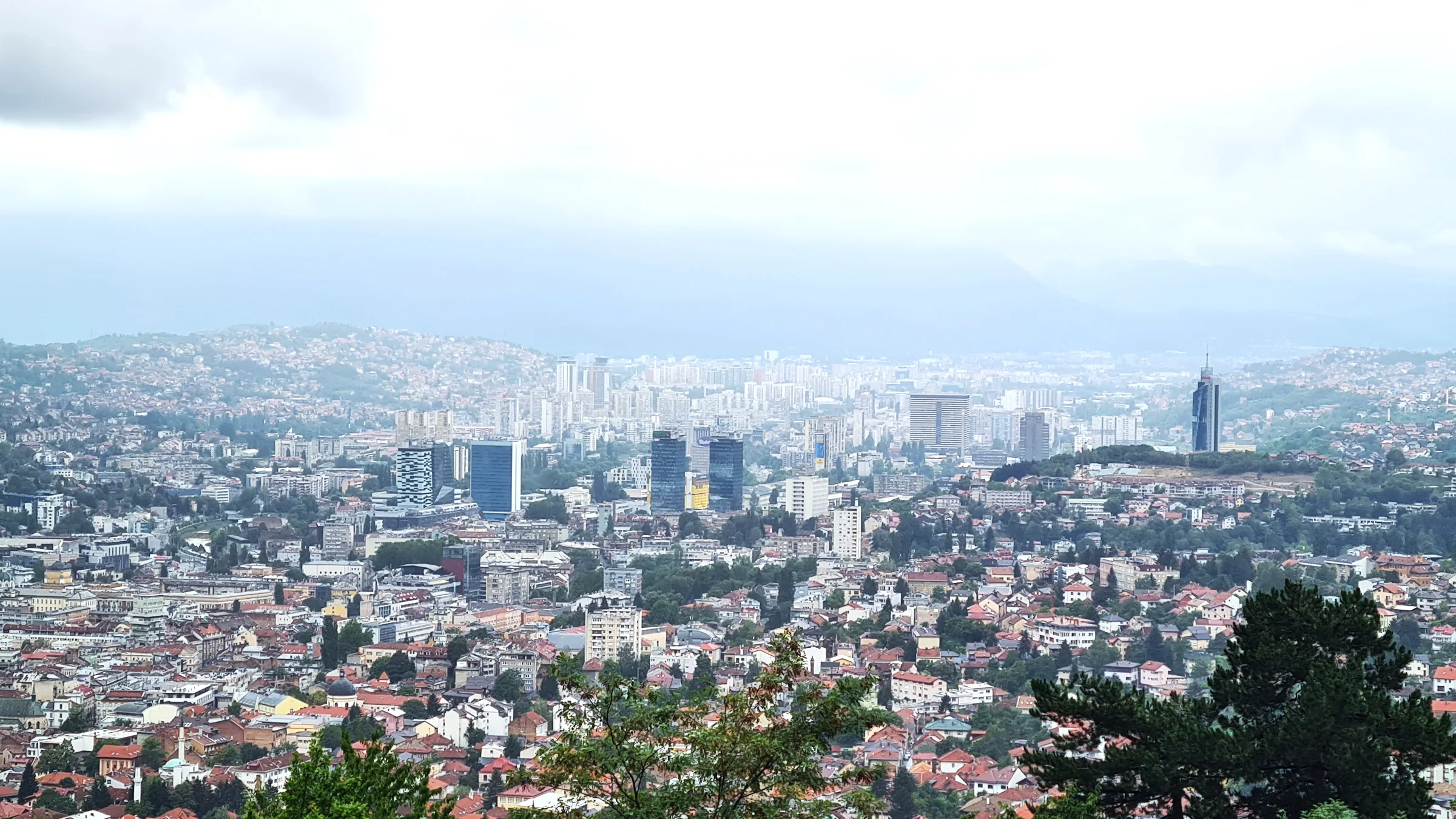
Novi Pazar lies in south-western Serbia in the Sandžak region, closer to Kosovo and Montenegro than to Belgrade. The modern city grew around an Ottoman trading centre while major medieval Serbian sites such as Stari Ras and Sopoćani sit in the surrounding landscape.
Novi Pazar has no passenger railway station and no major airport, so bus or car is the realistic arrival. Direct buses run from Belgrade and other regional cities; by car, the city fits naturally into a route through south-western Serbia, Kosovo, Montenegro or Bosnia and Herzegovina.
Novi Pazar sits away from the usual Balkan capital-to-capital route, in south-western Serbia's Sandžak region. There is no major airport or passenger railway station in the city, but buses and regional roads connect it to the surrounding country. That slight inconvenience is worth understanding before arrival, because a car becomes valuable for the medieval heritage landscape outside town while the compact centre rewards walking.
The city's Ottoman-era bazaar, mosques, pastry shops and Bosniak cultural life sit close to the medieval Serbian monuments of the Ras area and Sopoćani. This is often reduced to a vague meeting-of-cultures cliché. It is much more interesting to notice that both histories still shape real places, religious buildings and everyday routines. Novi Pazar is neither a museum of Ottoman Serbia nor merely an excursion base for monasteries; its busy contemporary centre gives the region a reason to stay overnight.
Getting here is part of the decision
Novi Pazar lies roughly 290 kilometres by road from Belgrade.
There is no passenger train service directly to Novi Pazar. The nearest useful rail connection is at Raška, which means the bus or a car is usually the sensible option.
The local tourism organisation describes bus connections with Belgrade, Kraljevo, Kragujevac, Podgorica and Sarajevo. See the Tourism Organisation of Novi Pazar for current access information.
Current early-October 2026 timetable listings show many Belgrade–Novi Pazar buses around 2,000–2,100 RSD (about €17.02–€17.88), with travel times roughly four to five-plus hours depending on service.
Serbia uses the dinar.
On 5 October 2026, a useful working reference is 1,000 RSD (about €8.51).
That makes 500 RSD (about €4.26), 2,000 RSD (about €17.02) and 2,100 RSD (about €17.88).
The National Bank of Serbia publishes the official daily rates: NBS exchange-rate information.
Start in the bazaar. Do not end your understanding there.
Novi Pazar grew around trade.
Its name points directly at that function.
The old commercial streets, mosques, shops and café life give the centre a visual character very different from Belgrade or Niš.
This is where lazy travel writing reaches for "Turkey in Serbia".
Do not.
It is Novi Pazar.
That should be enough.
The centre is compact enough to walk without constructing a rigid route.
Use the market streets.
Stop for coffee.
Notice how religious buildings, retail, traffic and ordinary social life overlap rather than occupying separate heritage zones.
Altun-Alem Mosque deserves a proper stop
The sixteenth-century Altun-Alem Mosque is one of the strongest surviving Ottoman buildings in the centre.
It sits close enough to ordinary commercial streets that it does not feel separated into a heritage enclosure.
Altun-Alem Mosque remains a functioning religious building, which gives a visit a different character from an unused architectural monument. Approach respectfully, dress appropriately and be mindful of prayer times and any visitor restrictions. Understanding its active place in the community is part of appreciating the architecture.
The useful mental shift is simple: "historic sight" and "place still used by a community" can describe the same building.
Do not choose between them.
The fortress barely behaves like a fortress
Novi Pazar's fortress area functions as part of the city centre rather than some cinematic mountain stronghold.
That makes it easy to dismiss.
Do not.
The better approach is to use the fortress and riverside as connective tissue between the old commercial core and the rest of the city.

This is not a place where every attraction deserves an allocated 45-minute slot.
The centre is small enough that walking is the method.
The streets between landmarks do much of the work.

One base, two histories that are still in use
The best reason to stay in Novi Pazar is that the city's Ottoman and Bosniak centre sits within reach of a major medieval Serbian heritage landscape. They are not rival “themes” that a traveller has to choose between. The Tourist Organisation of Serbia describes the bazaar, Altun-Alem Mosque and old hammam alongside Đurđevi Stupovi and Sopoćani; Stari Ras adds the archaeological context outside town.
The practical problem is distribution. A central walking circuit can cover streets, food stops and key Ottoman-era buildings. Sopoćani, the Ras area and other sites outside the city require separate movement and enough time to enter them thoughtfully. Arrange a car or a clear return plan rather than assuming the whole UNESCO ensemble is a single ticketed campus with a shuttle. These are also living religious places. Check access, dress respectfully, and allow worship or ceremonies to take priority over a visitor's photo schedule. You gain more by treating the heritage as several real places than as a single checklist entry.
Then leave town and destroy the simple story
This is where Novi Pazar becomes far more important than an interesting regional city.
The surrounding area contains Stari Ras, Sopoćani and Đurđevi Stupovi, sites connected to medieval Serbian statehood and Orthodox religious history.
Stari Ras and Sopoćani form part of a UNESCO World Heritage property. See the UNESCO listing.

Suddenly the easy "Ottoman Muslim city" story stops working.
Good.
It was never enough.
The city and its surroundings make more sense when you treat those histories as layers occupying the same geography rather than opposing themed attractions.
This is one of the rare destinations where a short drive can completely change the cultural frame of the trip.


This is where having a car becomes useful
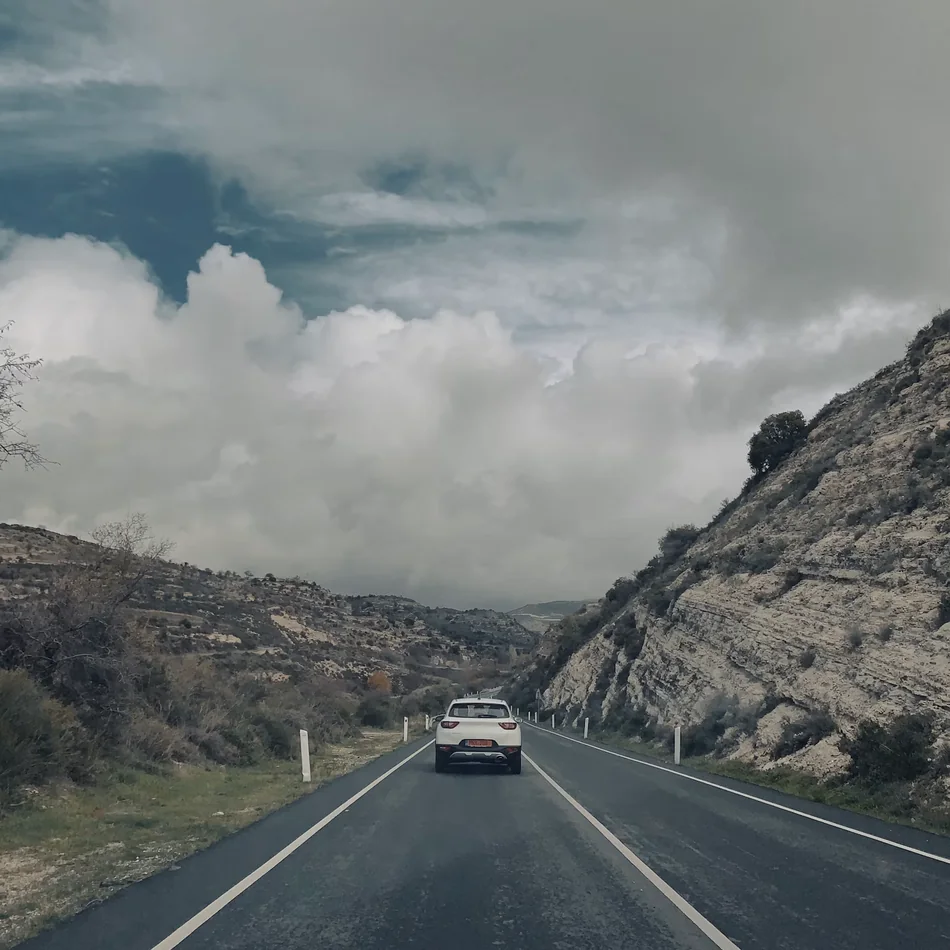
You can reach Novi Pazar itself perfectly well by bus.
The surrounding heritage is where independent transport starts buying time.
A car allows you to connect the city, monasteries and Stari Ras without turning the day into a sequence of local transport negotiations.
That makes Novi Pazar especially useful on a wider road trip.
From Niš, the route west becomes less obvious and therefore more interesting.
From Bosnia or Montenegro, Novi Pazar can function as the Serbian stop that prevents the trip from becoming a capital-only itinerary.
Eat here because ordinary regional food is a better guide than labels
Novi Pazar is known for grilled meat, pastries, bread and Bosniak regional food.
Food is one of Novi Pazar's simplest pleasures. Look for mantije, eat ćevapi, stop at a bakery and take time over coffee. Those ordinary choices reveal the city's regional tastes without requiring every dish to serve as an illustration of identity or history.
Food is one of the clearest reasons to avoid treating the city as a heritage field trip.
A busy grill or bakery tells you how Novi Pazar functions now.
That matters at least as much as explaining which empire introduced which dish.
The useful rule is the same as elsewhere: look for turnover, local tables and food being produced continuously.
Not a menu written to flatter foreign expectations.
At 22:00 the centre is full. That does not mean it parties like Belgrade.
Novi Pazar is a young city and the pedestrian Korzo can be packed with people in the evening.
But the local tourism organisation itself makes the distinction: the city's night is built much more around walking, cafés and socialising until around midnight than around classic clubbing. See its nightlife overview.
This is where the city gets genuinely more interesting than the lazy "Muslim Serbia" label.
Alcohol exists.
It is just not socially neutral in the way it is in Belgrade.
A 2025 ethnographic study based on fieldwork in dozens of Novi Pazar venues found alcohol increasingly marginalised in the city centre. Some businesses adapted by keeping alcohol visually discreet, serving it selectively, changing hours or moving it away from the most visible public space.
Read the study abstract here: Alcohol consumption among Bosniaks in Novi Pazar.
So if you walk through a centre full of young people at night and wonder why the scene feels energetic without looking like a normal Balkan drinking strip, you are not imagining it.
Do not translate that into "Novi Pazar is dry."
Translate it into: the social rules around alcohol are different here.
Work with the city's social calendar
A Novi Pazar evening can be busy without behaving like a Belgrade bar district. Families, students, dessert shops, cafés and restaurants may keep the centre animated well after daytime sightseeing ends. Alcohol availability, operating patterns and public atmosphere can differ between venues; don't assume a café with a full terrace works like every other bar in Serbia. If drinking is important to the evening, check the actual establishment instead of treating the city's Muslim heritage as either a warning or a guarantee.
Ramadan is a useful example of how the city changes without becoming inaccessible. Meal times and activity may shift, while many residents and businesses continue their normal routines in different ways. As a visitor, be attentive rather than theatrical about it. For a solo woman, that means choosing the same sensible return route and accommodation location you would in any unfamiliar city — not projecting danger onto ordinary conservative dress or social norms. The reward for an overnight is seeing the city's contemporary life, which no monastery day trip can substitute for.
Ramadan changes the clock
If your trip lands during Ramadan, that difference becomes much more visible.
The old bazaar can become extremely busy around iftar. Local tourism material specifically describes long queues along Prvomajska Street for iftar pastries, and local media builds evening programming around the breaking of the fast.
For a visitor, the practical rule is simple: do not complain that lunch feels quieter and then disappear to the hotel just when the city starts moving.
Ramadan is not a tourist event.
But if you are there, it changes when streets, bakeries, cafés and families become active.
Tourism is growing quickly from a smaller base
Novi Pazar is not completely off-radar anymore.
Serbia's Ministry of Tourism reported 29,247 tourist overnight stays from January through April 2026, up 64% on the same period a year earlier. Foreign visitor nights increased 74.8%.
Read the official Serbian tourism ministry release.
Those are large growth percentages from a relatively small base.
They do not mean Novi Pazar has suddenly become Prague.
They do tell you that more people are starting to notice.
Visit before every second travel article starts calling it Serbia's best-kept secret.
That phrase is usually the beginning of the end.
Solo woman: do not confuse conservative with dangerous
Novi Pazar's Bosniak-Muslim identity can make first-time visitors overthink the wrong things.
There is no current official travel warning singling the city out as a special risk for women. Standard Serbia advice is mostly about ordinary street crime, registered taxis and the same common-sense precautions you would use elsewhere.
The social difference is more useful than a fear warning.
You do not need a headscarf to walk around Novi Pazar. If you enter an active mosque, modest dress and avoiding prayer time are sensible courtesy; the tourism authorities do not publish a separate street dress code for female visitors.
So a woman travelling alone should expect a socially more conservative city than Belgrade, not a city where she has to disappear under extra layers to be safe.
Current Serbia baseline: Serbia safety advice. For the mosque-visiting nuance, see Serbia Unpacked's Novi Pazar guide.
One day is possible. Two nights is better.
For the city centre alone, one full day is workable.
For the city plus the medieval sites, give it two nights.
The first gives you Novi Pazar as a living place.
The second gives you the surrounding historical geography that changes what the city means.
That is the actual reason to come.
Not because nobody else on Instagram has.
The whole city is the point
Novi Pazar has a Bosniak majority and a strong Islamic presence.
It also sits inside Serbia and beside some of the most important sites in the story of medieval Serbian statehood.
Those facts are not a puzzle to solve.
They are the place.
Trying to compress the city into one label makes the trip less accurate.
The tension, overlap and ordinary coexistence of different historical layers are precisely what make Novi Pazar worth the bus journey.
A practical Novi Pazar stay
Go if: you are already travelling through inland Serbia, Bosnia, Montenegro or Kosovo and want a stop that changes the cultural frame of the route.
Skip it if: you need airport convenience, rail convenience and a dense list of major international attractions.
Best use: two nights with access to a car for one day.
Novi Pazar is not Serbia's hidden Ottoman corner.
It is a city sitting on top of several stories at once.
That is considerably better.