Naples is at its best when you give the streets as much attention as the famous museums and views.
Where it is — and how to get there
Naples sits on the Bay of Naples in southern Italy, between Vesuvius and the Tyrrhenian Sea, about 225 km south-east of Rome. The historic centre, Quartieri Spagnoli, Pignasecca, Chiaia and the waterfront fit inside a dense urban core, while Pompeii, Herculaneum and the islands sit outside the city itself.
Naples International Airport lies close to the centre, with the Alibus linking the airport to Napoli Centrale and the port. High-speed trains make Rome–Naples one of Italy's easiest city combinations. Inside Naples, metro, funiculars, buses and walking are enough, but the street network is dense and the same distance can feel very different uphill or at rush hour.
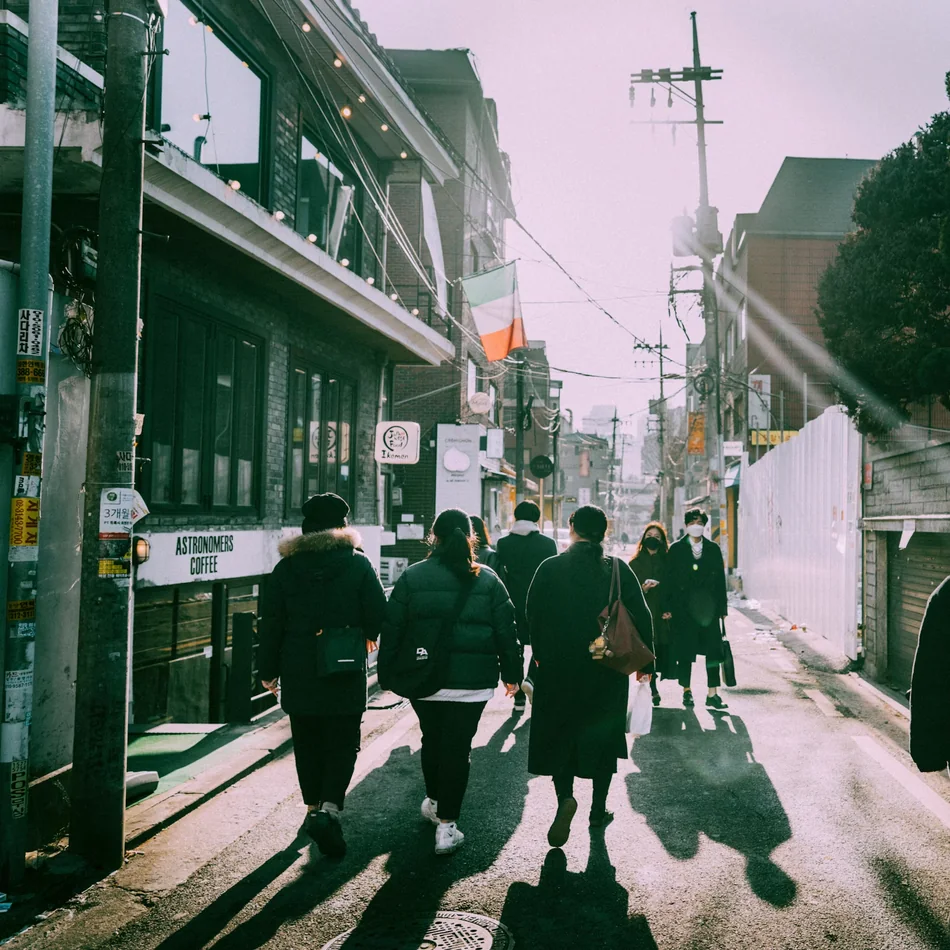
Naples is one of Europe's great street cities. Across its historic centre, markets, narrow lanes, football murals and cafés sit beside homes, workshops and churches. Scooters find their way through streets that look impossibly tight, while deliveries, shoppers and neighbours share the same space. It can be noisy and demanding on a first visit, but the energy is also a large part of the pleasure.
Begin with Spaccanapoli and the historic core, then take time for Quartieri Spagnoli, Pignasecca and the waterfront or Vomero. A longer stay opens the door to Rione Sanità, the archaeological museum and carefully chosen trips to Pompeii or Herculaneum. Understanding how Naples works makes the city easier to use and more rewarding than a checklist of famous pizzerias.
Arriving in a city where the street is shared
Naples has narrow streets and a remarkable amount of motorised two-wheel traffic. Even some lanes that feel pedestrian can carry scooters making deliveries or residents going about their day. This is particularly noticeable around the historic core, where people, goods, café tables and shrines occupy very limited space.
As you walk, stay predictable, look both ways at crossings and step to the side before checking your phone. A sudden movement into a rider's path can be more awkward than continuing at a clear pace. Scooters do not always behave sensibly, so take ordinary care, especially when you are new to the street pattern. After a few hours, the rhythm becomes easier to anticipate and leaves you free to appreciate the neighbourhood rather than continually watch traffic.
Spaccanapoli and the historic centre's everyday life
Spaccanapoli provides a useful mental axis across the historic centre. Walk it slowly, then use Via dei Tribunali, San Biagio dei Librai and the surrounding lanes to explore churches, food counters, workshops, small shrines and student streets. The activity between landmarks can be just as memorable as the buildings.

The area mixes visitor businesses with apartments and ordinary daily routines. A pastry stop, a small church or a look into a working shop can lead naturally to the next street. Rather than race between a dozen religious sites, choose the ones you are genuinely interested in and leave time for the streets themselves.
Quartieri Spagnoli: neighbourhood life beside a growing visitor scene
Quartieri Spagnoli, or the Spanish Quarter, has changed significantly in the way it is represented to visitors. Once widely described in discouraging travel advice, it is now one of Naples' best-known sightseeing areas, attracting people for its streets, food, cafés and football culture. Visit Naples describes that shift in its official visitor material.

Its narrow lanes, low street-level dwellings, laundry and scooters are part of a lived-in neighbourhood. Be considerate with cameras around doorways and people, and enjoy the energy without treating every balcony as decoration. Tourism sits alongside daily life here; both dimensions are useful for understanding the district.
Maradona's legacy in Naples and the Spanish Quarter
Football culture is hard to miss in Naples. Murals, shirts, photographs, flags and tributes to Diego Maradona appear throughout the city, particularly around the Spanish Quarter and Largo Maradona, where his image has become both a local landmark and a visitor attraction.

The devotion is rooted in SSC Napoli's most celebrated eras and in a much broader sense of pride and southern Italian identity. Restaurants and souvenir stalls now serve visitors who come to see the murals, but the emotional significance was already there long before those visitors arrived. Pause long enough to understand what the tribute means to supporters, then follow the surrounding streets rather than treating a single photograph as the whole neighbourhood.
Pignasecca: the market streets and something good to eat
Pignasecca is a rewarding area for a food-led walk. Fish stalls, fruit, household goods, street-food counters and shops sit amid the bustle near Montesanto, making the market feel both energetic and useful. You will find people doing ordinary shopping as well as visitors looking for a snack.

Arrive hungry and try something that appeals, whether fried street food, pastries or ingredients sold fresh. Naples is rightly famous for pizza, but its food culture also includes seafood, pasta, vegetables, regional sweets and neighbourhood bars. A market visit makes a pleasant complement to a pizzeria evening and gives you a better sense of how the centre works.
Choosing a Naples neighbourhood with practical expectations
Naples is large enough that your experience will change with the street where you stay. The historic centre is lively and atmospheric, Toledo and the Spanish Quarter offer central access, Chiaia has a more polished food and waterfront scene, and Vomero is useful for views and its hilltop neighbourhood character.
Crowded visitor zones still require ordinary attention to phones, wallets and bags, and the area immediately around Napoli Centrale may feel different late at night than at lunchtime. Naples' organised-crime history is real, but it is not a practical substitute for advice about your actual walking route, transport or accommodation. Choose an address with a clear approach, know the late return and take the same precautions you would in another major city. That is more useful than labelling whole neighbourhoods either safe or threatening.
Allow for Naples' municipal accommodation tax
Naples charges a municipal tourist tax that varies by accommodation category. Rates in effect from 1 March 2025 included €6 per person per night for five-star hotels, €5.50 for four-star, €4.50 for three-star, €3.50 for two-star and €3 for one-star properties. The listed amounts also included €4.50 for many extra-hotel accommodation categories and €5 for short-term rentals.
Check the correct current category and any exemptions before calculating your budget. The Comune di Napoli's official tourist-tax page is the relevant source for updates. A low-cost flight can still be excellent value, but the accommodation tax belongs in the full cost of the stay.
Metro and funiculars make a busy city easier to explore
Naples rewards walking in its historic centre, but the city also rises sharply towards Vomero and stretches along the bay. The Metro and funiculars can save both time and energy, especially if you want hilltop views without climbing every street.
Check tickets and integrated fare products on the official ANM tickets and passes page, since fares and special airport products can change. The airport Alibus has separate fare arrangements from some ordinary urban services. For a short visit, walk the centre where the streets are the attraction and use transport when it opens up another part of the city. Reaching Vomero can also help you understand Naples from above, where the sea, dense street pattern and Vesuvius become visible together.
Naples after dark: a city that gathers in public space
In Naples, nightlife often begins on the street rather than behind a club door. Around Piazza Bellini, students and friends gather at bars and cafés, while areas of Quartieri Spagnoli can develop lively pavement crowds. Chiaia offers a different evening, with more polished cocktail bars and restaurants.

These contrasts make the Naples After Dark guide useful even for visitors with no intention of clubbing. The part of town, the type of venue and your route back to the hotel will shape the evening more than any universal claim that Naples is always chaotic.
Travelling alone as a woman in Naples
Women's first-hand accounts of travelling alone in Naples describe a range of experiences. Many visit repeatedly without significant problems; others report tiring comments, staring, catcalling or unwanted attention. Those experiences are worth distinguishing from violent-crime risk, and they can affect how relaxed a person feels even when nothing more serious happens.
A woman travelling alone can enjoy Naples with the same independence she would elsewhere. It helps to choose accommodation with a straightforward approach, understand how you will travel home after drinks and move to a busier, staffed place if attention becomes intrusive. Central streets can be lively and rewarding at night, while a quiet alley or a long walk from the station may be less comfortable. Specific route choices are more useful than sweeping judgments about the city or its residents.
Napoli Centrale is convenient, but choose the hotel street carefully
Napoli Centrale is a major transport hub with trains, metro, regional connections and the airport bus. Staying near it can suit an early departure or a short stopover, but a first visitor wanting the city's evening atmosphere may prefer the historic centre, Toledo or Chiaia.
Assess the exact address rather than relying only on a district label. An apartment up several staircases or deep inside a narrow alley may be delightful during the afternoon but harder to reach with luggage late at night. Look at the real walking approach and public transport before booking. Hotels and apartments that simplify the return can make a good stay more enjoyable.
Give Naples and its archaeological day trips enough space
Pompeii is extraordinary, and Herculaneum offers a more compact but equally fascinating look at the ancient world. Both are valuable, yet a two-night city break can quickly become a sequence of train trips and dinners if you spend an entire day away from Naples itself.
A three-night stay gives you time for the historic city, neighbourhood food and some of the waterfront. Four nights can make room for a dedicated archaeology day without rushing the other experiences. The bay also includes islands and the Amalfi Coast, but they work best as deliberately chosen additions with their own transport and seasonal constraints.
Sanità belongs in the city day, not only a subterranean tour
Walk north of the historic centre into Rione Sanità through the busy streets around Porta San Gennaro and Via Vergini. The markets, churches, workshops and steeply layered buildings make much more sense together than as separate attractions. This is one of the places where Naples' vertical geography becomes visible: an earlier city below the pavement, an intensely lived neighbourhood above it. Come for the streets as well as any booked underground stop.
The Catacombs of San Gennaro and Catacombs of San Gaudioso offer different connections to early Christian and later Neapolitan history; choose based on available guided tours, not the assumption that the two are interchangeable. Cimitero delle Fontanelle, in its vast former tuff quarry, reportedly reopened in April 2026 after a long closure with managed visits. Its booking and access policy is especially worth checking close to travel: old blog advice saying it is always open or definitively closed can both be wrong now. Look for current information from the city or the site's operator rather than turning up on spec.
Sanità has a local food culture, but it is not an open-air restaurant theme park. Visit in daylight on a first trip, follow the active streets, and keep a little time for conversations and a bakery rather than rushing between entrances. A guided neighbourhood walk that supports local organisations can add more context than another generic underground ticket.
One excellent archaeology day or two different ones?
Pompeii is the vast city-scale site; Herculaneum/Ercolano is more compact, often extraordinarily vivid in its surviving buildings and urban detail. If you have just one free day, choose based on what you want to understand and how much walking you can manage. Combining both with Vesuvius as a checklist is possible on paper and often exhausting in reality, particularly during summer heat.
The practical railway distinction matters. Services toward archaeological sites may involve Circumvesuviana and other EAV operations, which do not behave exactly like the high-speed rail network arriving at Napoli Centrale. Some visitor services and train products are branded for tourists; compare the actual departure, station and final stop rather than buying something because a reseller labels it 'express'. The official EAV website is the place to recheck service changes and strikes. For the archaeological sites themselves, use the Pompeii Archaeological Park and Herculaneum Archaeological Park for current admission and site access.
The National Archaeological Museum (MANN) in central Naples is the essential indoor counterpart if Roman history interests you. Objects and mosaics removed from the buried cities gain their proper context here. It is at Piazza Museo 19 near the Museo metro stop; check the museum's official opening and price page before deciding between a rainy afternoon and a full museum morning. Not every collection is continuously open, including on special free-admission days.
Build an evening around the neighbourhood you actually sleep in
The Pignasecca–Montesanto area gives you small shops, informal food and access toward the funiculars. Chiaia is a different proposition: more polished promenades, bars and shopping, with the seafront close enough for a relaxed late walk. The Centro Storico is denser and noisier, with street life spilling out around pizza places and university-oriented bars. None of those districts needs to imitate the others.
Plan a dinner geographically: if you are staying around Toledo or Quartieri Spagnoli, the urge to cross the entire city for a supposedly famous pizza adds little. A queue is not a quality guarantee; a busy local pizzeria that makes the kind of pizza you want can be the better experience. Naples also offers fried snacks, pasta with potatoes and provola, seafood depending on location, pastries and neighbourhood bars where the total evening need not revolve around pizza.
On a short visit, three nights in Naples plus one archaeology day feels more balanced than treating the city as a platform for Capri, Amalfi, Pompeii and Ischia. The islands and coast are excellent, but ferries, seasonal traffic and weather affect each day differently. The Bay is large; a good Naples trip doesn't require completing all of it.
A rewarding way to spend three or four nights
Start with Spaccanapoli, the historic centre and a market lunch around Pignasecca, then choose an evening close to where you are staying. Use another day for Quartieri Spagnoli, Rione Sanità or the wider bay and Vomero views, according to what interests you. With a fourth night, consider Pompeii or Herculaneum as a proper excursion rather than another rushed landmark.
Naples is dense, noisy, culturally rich and visually striking. It may take some getting used to, but that discovery is part of the pleasure: a city where the street is as important as the museum, where food and football are woven into daily life and where the bay and ancient world sit within easy reach. Choose a little less each day and there is more time to enjoy what makes the place memorable.